Dogs have been our companions for thousands of years. But not every breed that once existed is still around today.
Many dog breeds that were once common have completely disappeared from the world. These extinct dog breeds offer a fascinating glimpse into how our relationship with dogs has changed over time.

Throughout history, dog breeds have come and gone for all sorts of reasons. Some lost their purpose as society shifted, while others blended into new breeds.
Learning about which breeds no longer exist helps us appreciate the dogs we have today. It also shows how human needs have shaped canine history, sometimes in ways that feel a little bittersweet.
1) English Water Spaniel
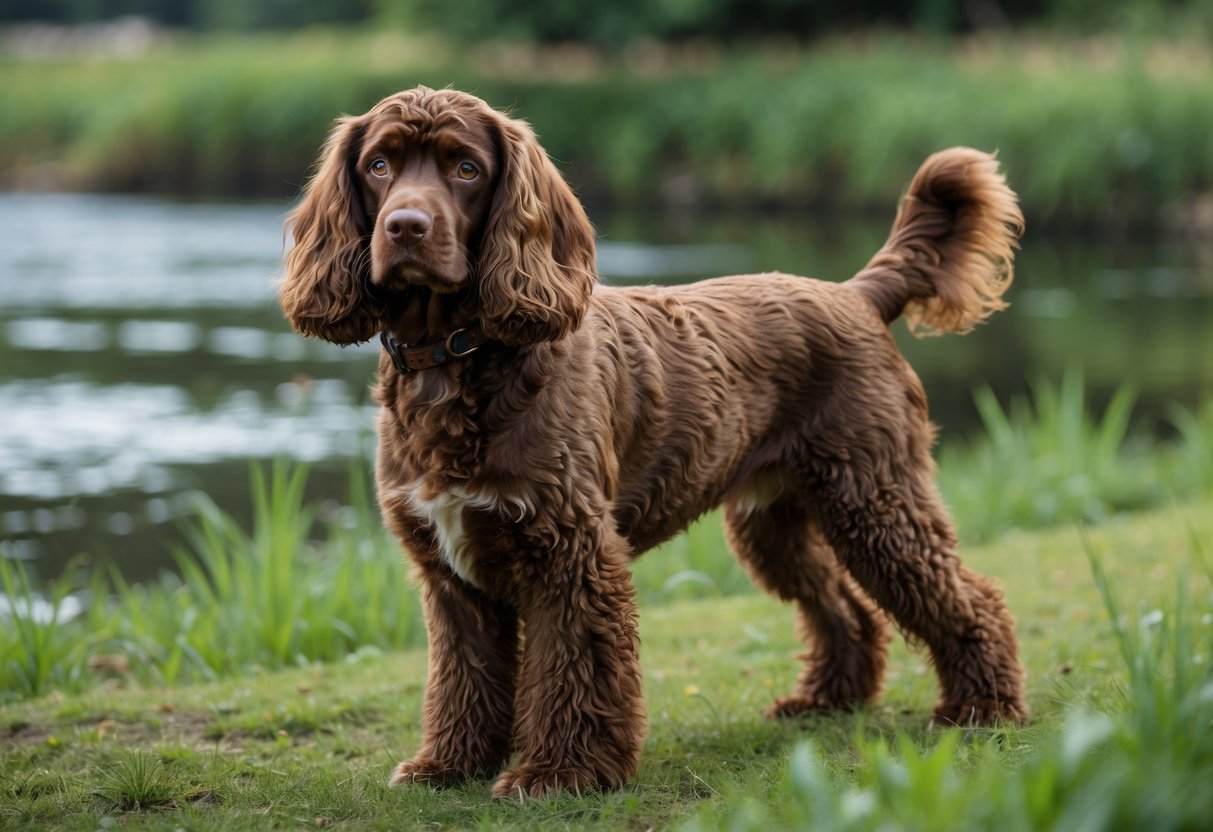
The English Water Spaniel became extinct in the early 20th century, with the last one spotted in the 1930s. If you’d been a hunter back then, you would have valued this breed for its remarkable waterfowl hunting skills.
This dog could dive like a duck, making it perfect for retrieving game from water. The breed had curly fur and typically featured white and liver or tan colouring.
You might have mistaken it for a cross between a Poodle and a Springer Spaniel. Shakespeare may have referenced this breed in his plays—some people think he called them “water rugs” in Macbeth.
The English Water Spaniel’s extinction happened partly because other breeds, like the St. John’s Water Spaniel, replaced it. As hunting needs changed, people simply stopped breeding these dogs.
Today, only three water spaniel breeds remain: the American Water Spaniel, the Boykin, and the Irish Water Spaniel.
2) Molossus
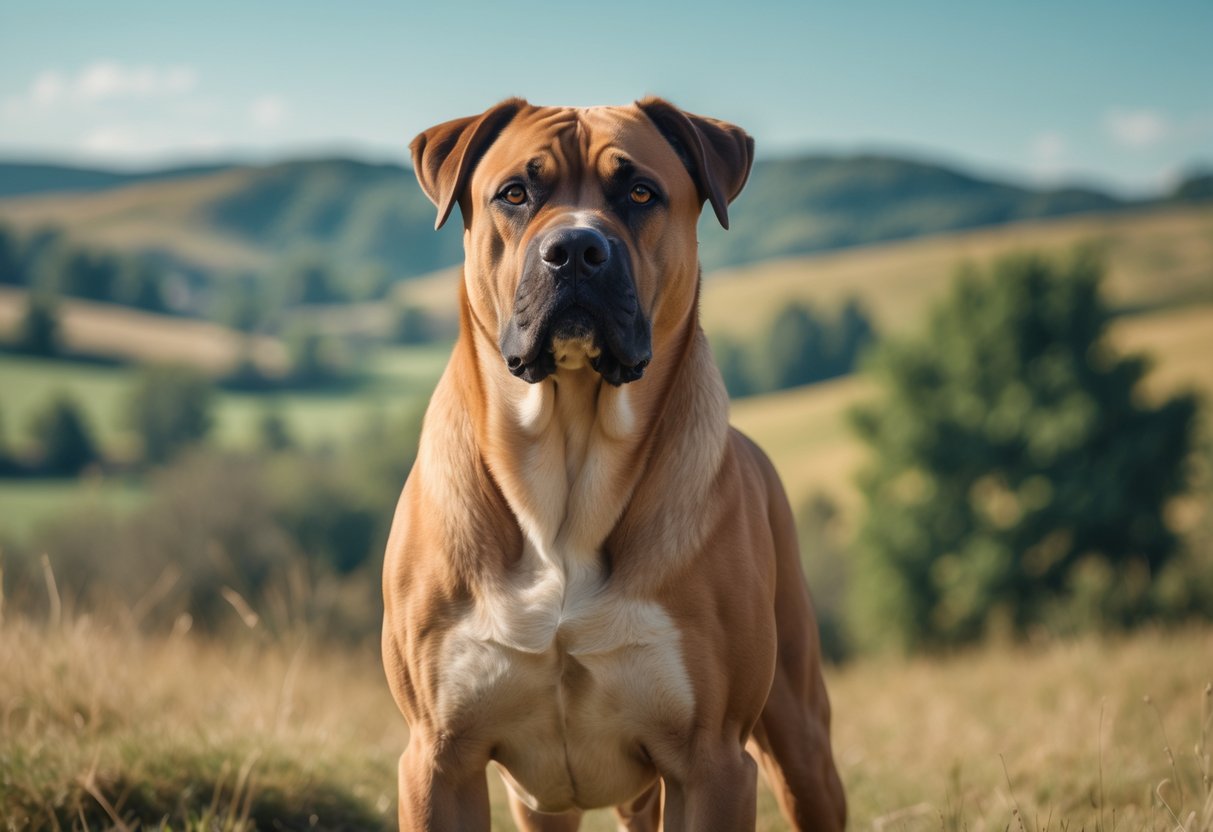
The Molossus was an ancient dog breed from Greece that you won’t find today. This powerful dog lived thousands of years ago and served as a guard and war dog.
If you’re wondering what happened to these dogs, the answer might surprise you. The Molossus didn’t go extinct in the traditional sense—people bred them with other dogs over many centuries.
The Greeks valued these dogs for their strength and loyalty. They used them to protect homes and livestock.
Roman soldiers even brought them into battle. When you look at modern Mastiff and bully-like breeds, you’re seeing the Molossus legacy.
These dogs changed through crossbreeding rather than dying out completely. The original Molossus as the Greeks knew it is gone, but its bloodline lives on in your modern Mastiffs and similar breeds.
Today, we use the term “Molosser” to describe this whole group of large, powerful dogs. So, while you can’t meet a true Molossus anymore, their influence shaped many of the guardian breeds we know today.
3) Alpine Mastiff
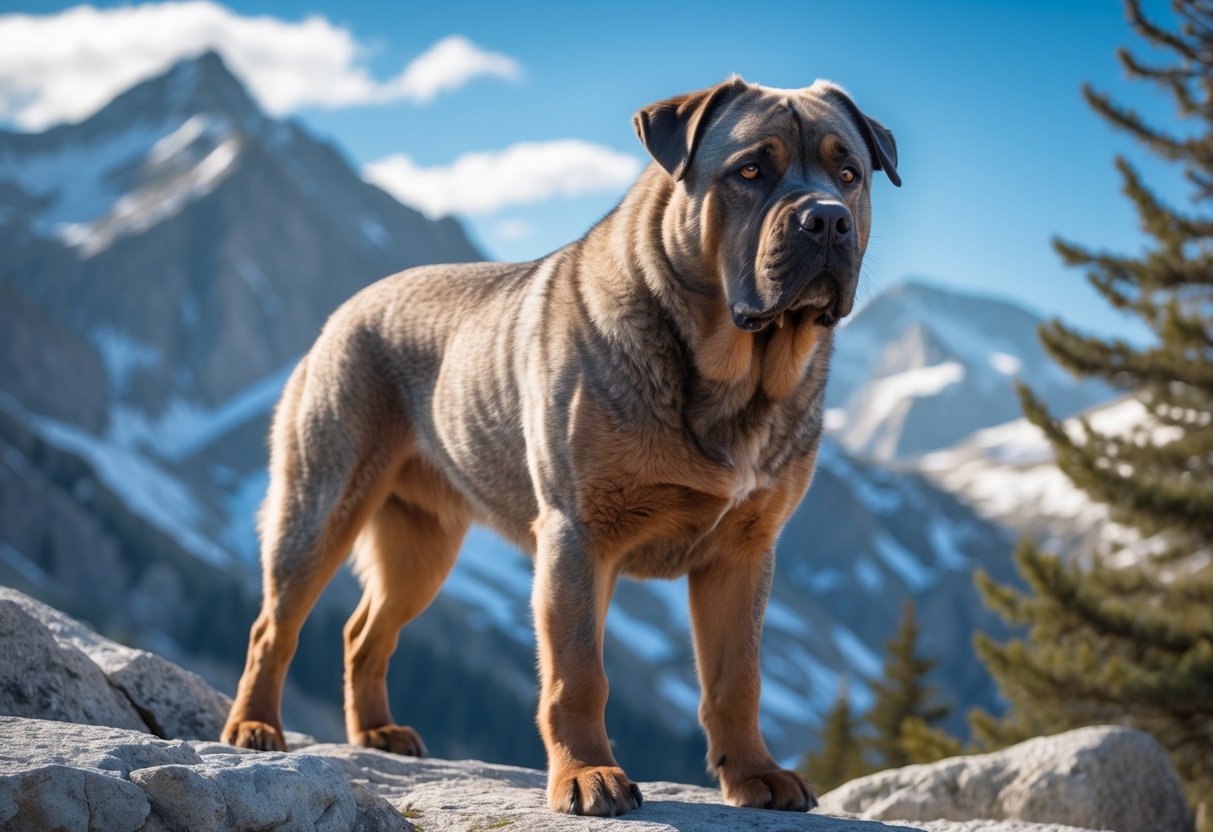
The Alpine Mastiff was a molosser-type dog that you would have found in the Western Alps during the Middle Ages. This massive breed was known for its incredible size and strength, making it one of the largest dogs of its time.
If you’re familiar with Saint Bernards, you’ll find it interesting that the Alpine Mastiff is believed to be their ancestor. The breed shares similar origins with these beloved mountain dogs.
Unfortunately, the Alpine Mastiff became extinct due to excessive crossbreeding and changes in breeding practices over time. When the first Alpine Mastiff arrived in England in 1829, it was exhibited as the largest dog in the world throughout Liverpool and London.
Despite being calm and gentle, the breed eventually disappeared from existence. You can still see traces of the Alpine Mastiff in today’s English Mastiff breed, which carries some of its characteristics.
4) Tahitian Dog

The Tahitian Dog was an extinct breed from Tahiti and the Society Islands. You might not have heard of this ancient companion before, but it played an important role in Polynesian culture for centuries.
The Tahitian people brought these dogs with them during their migrations across Polynesia. The dogs were small to medium-sized animals that became part of daily life on the islands.
They had short, smooth coats and gentle temperaments that made them valued companions. Unfortunately, the Tahitian Dog became extinct in the 19th century.
Like many extinct breeds, they were used for various purposes by the indigenous people. The dogs served both practical and spiritual roles in their communities.
These native dogs were similar to other Polynesian dog breeds that existed throughout the Pacific islands. We can’t see them today, but the Tahitian Dog remains an important part of the region’s history and cultural heritage.
5) Paisley Terrier
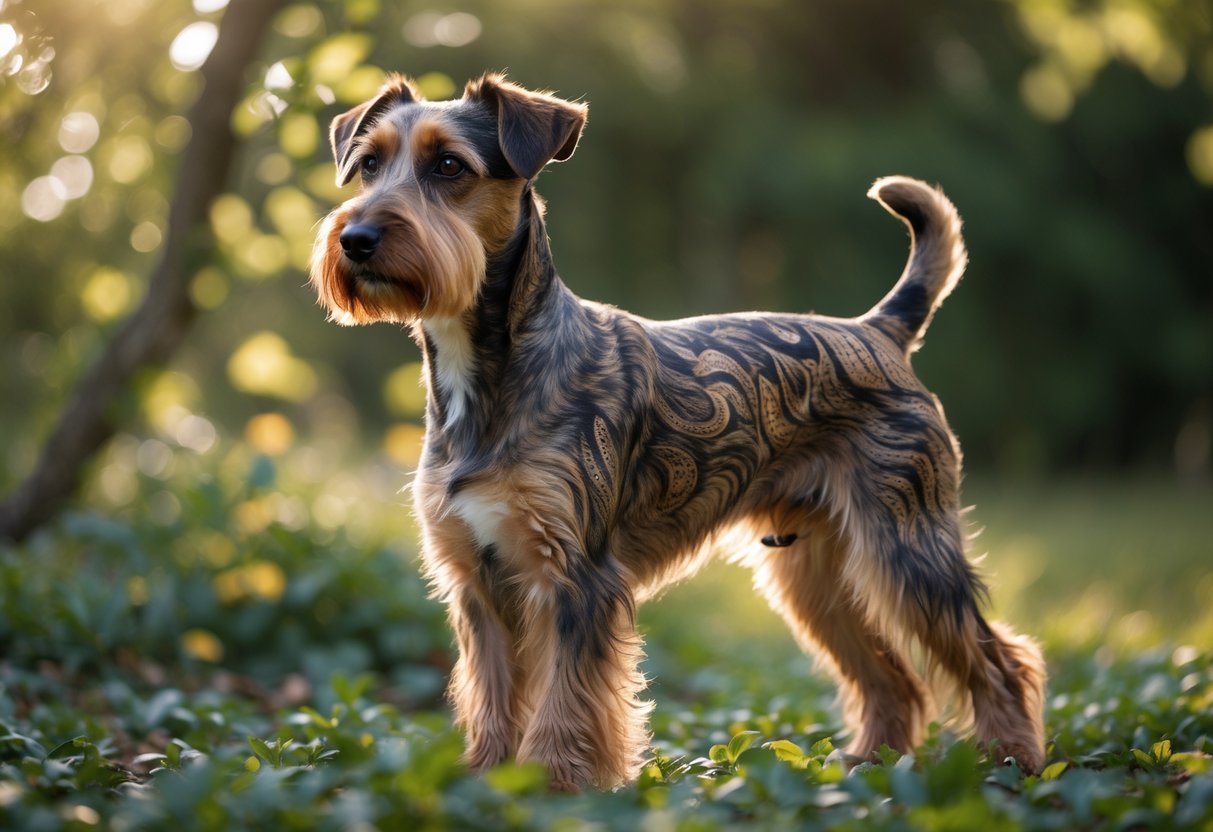
The Paisley Terrier originated in Scotland during the 19th century. This breed was developed primarily as a companion and show dog rather than a working terrier.
You would have noticed its stunning appearance if you’d seen one. The Paisley Terrier had an extremely long, silky coat that draped across the ground and covered its eyes.
It stood about 10 inches tall and weighed between 12 and 14 pounds. This elegant dog was closely related to the Skye Terrier.
However, the Paisley Terrier had a shorter back and weighed less than its Skye cousin. Its snout was slightly smaller than other terriers, giving it a distinctive appearance.
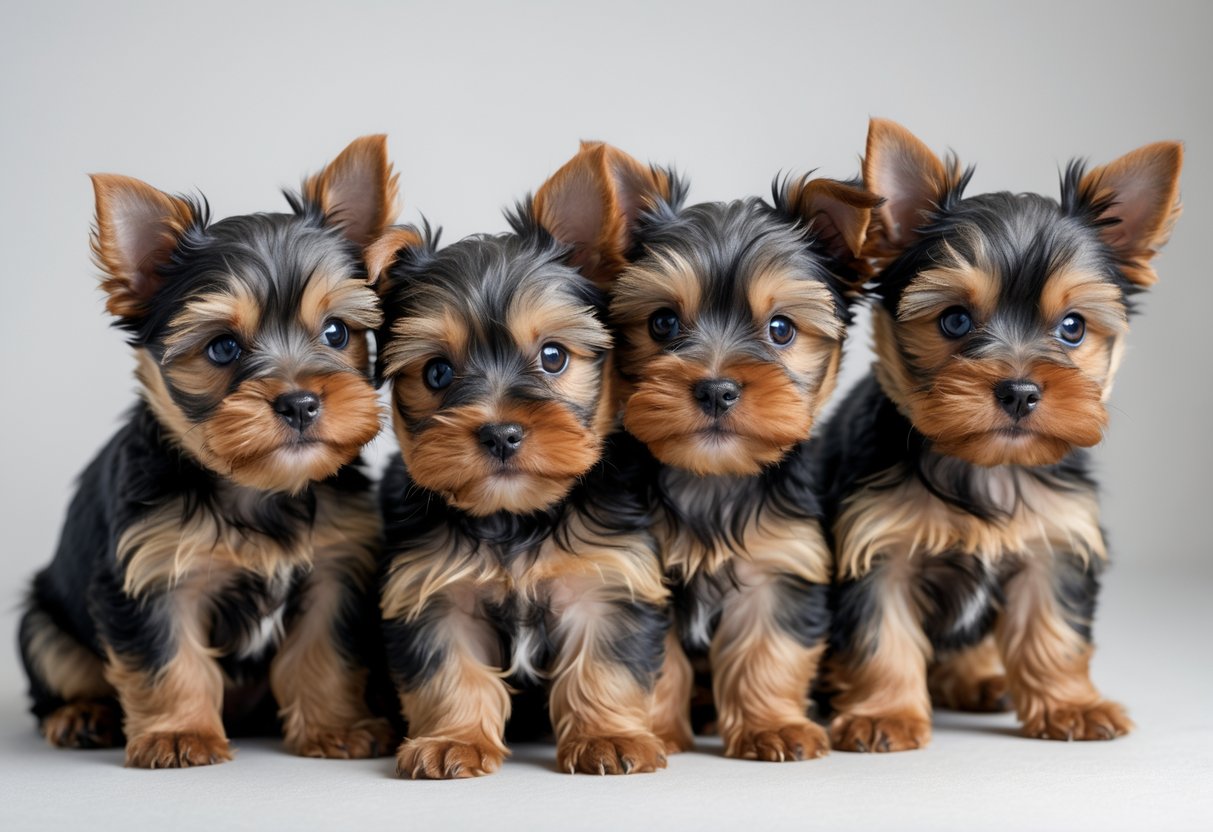
Though the breed is now extinct, you can still see its influence today. The Paisley Terrier was the progenitor of the Yorkshire Terrier, one of the most popular breeds we know.
Its genes also contributed to other modern breeds like the Silky Terrier and Biewer Terrier. These glamorous little dogs were particularly beloved in Glasgow and the Clyde Valley, where breeders prized their refined structure and calm temperament.
6) Moscow Water Dog
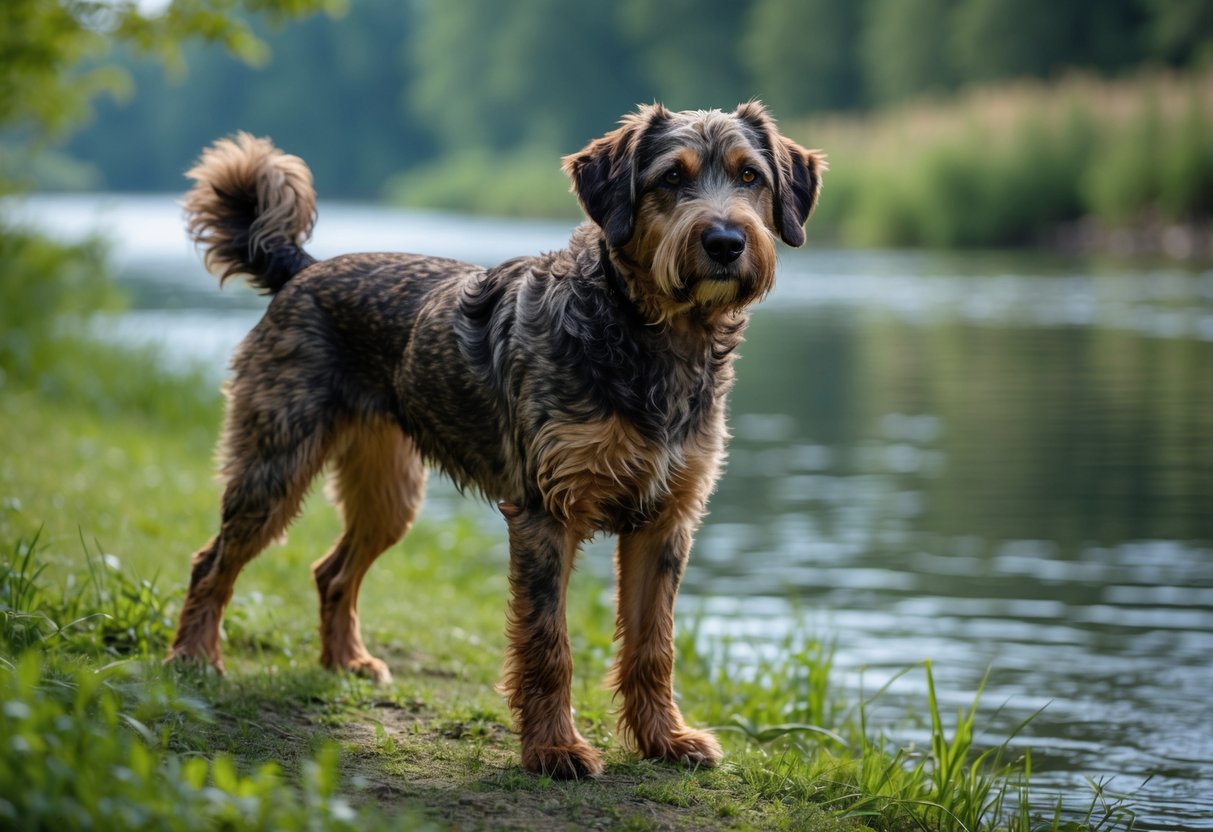
The Moscow Water Dog, also called the Moscow Diver or Moskovsky Vodolaz, was a breed you’ve likely never heard of. It only existed in the Soviet Union during the 1950s and 1960s.
Russian military breeders created this dog by crossing Newfoundlands with Caucasian Shepherd Dogs and East European Shepherds. The Red Star Kennels, a state-run organisation, produced all of these dogs.
Their goal was to develop a water rescue breed for the Russian army. The breed had a massive, gigantic body that weighed over 100 pounds.
They stood between 26 and 30 inches tall. The name “Vodolaz” translates to “diver of deep water” in English.
Unfortunately, the breeding programme failed because these dogs were too aggressive and dominant for rescue work. Instead of saving people in water, they showed behaviour unsuitable for their intended purpose.
The programme was scrapped, and the breed became extinct. Before disappearing completely, the Moscow Water Dog contributed to creating the Black Russian Terrier.
7) Turnspit Dog
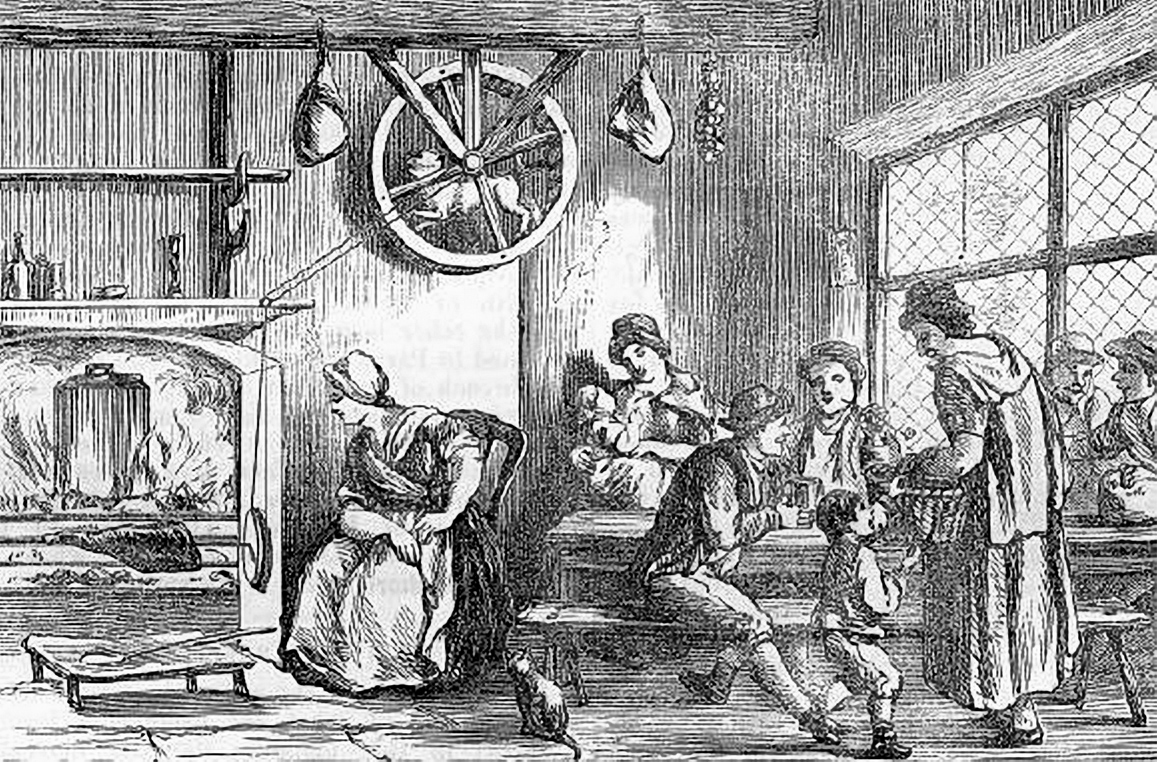
The Turnspit Dog was a working breed that played a vital role in kitchens across Britain during the 16th century. It’s wild to picture, but people bred these small dogs to run inside wooden wheels that spun meat spits over open fires.
They had long, stocky bodies with short legs. That build made them just right for the exhausting work they did.
People called them kitchen dogs or cooking dogs. Their job was tough and relentless.
When technology advanced, machines took over their work. The Turnspit Dog eventually went extinct because no one needed them in modern kitchens anymore.
Today, you can only see one stuffed specimen at the Abergavenny Museum in Wales. Some folks think the breed’s genes might survive in Welsh terriers, but honestly, who knows?
8) English White Terrier
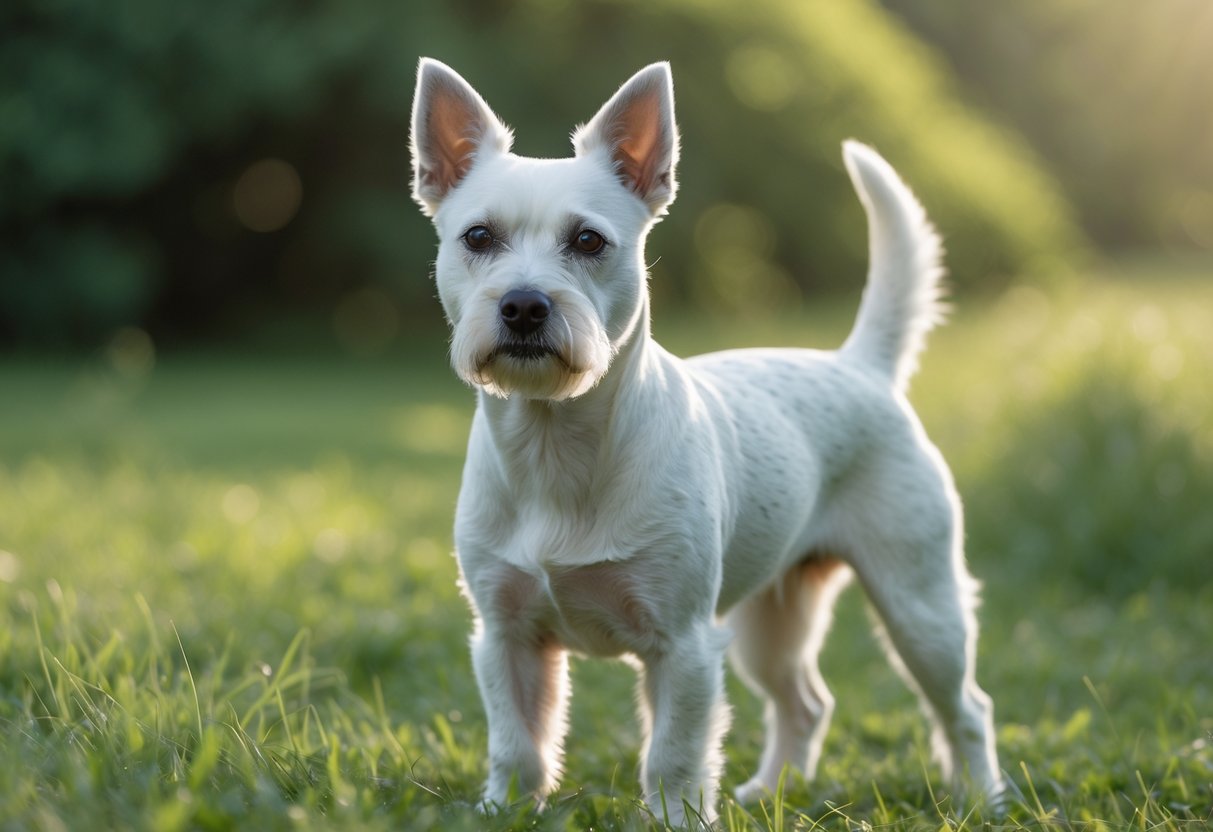
The English White Terrier is an extinct breed that once captured hearts in 19th-century Britain. It’s a bit sad—these small-to-medium dogs vanished completely.
They started as white fox-working dogs in the late 18th century. Breeders in the 1860s tried to create a show breed from prick-eared versions, but it didn’t work out.
The breed faced some tough challenges. Most English White Terriers were deaf due to inbreeding, which was a huge issue.
Some breeders kept producing puppies even knowing they’d be deaf. These health problems made survival nearly impossible for the breed.
By the early 1900s, the English White Terrier became extinct because of genetic problems and poor breeding practises.
If you love terrier breeds today, you can spot the English White Terrier’s influence. Their bloodlines shaped modern terrier breeds that are still around.
9) Cordoba Fighting Dog
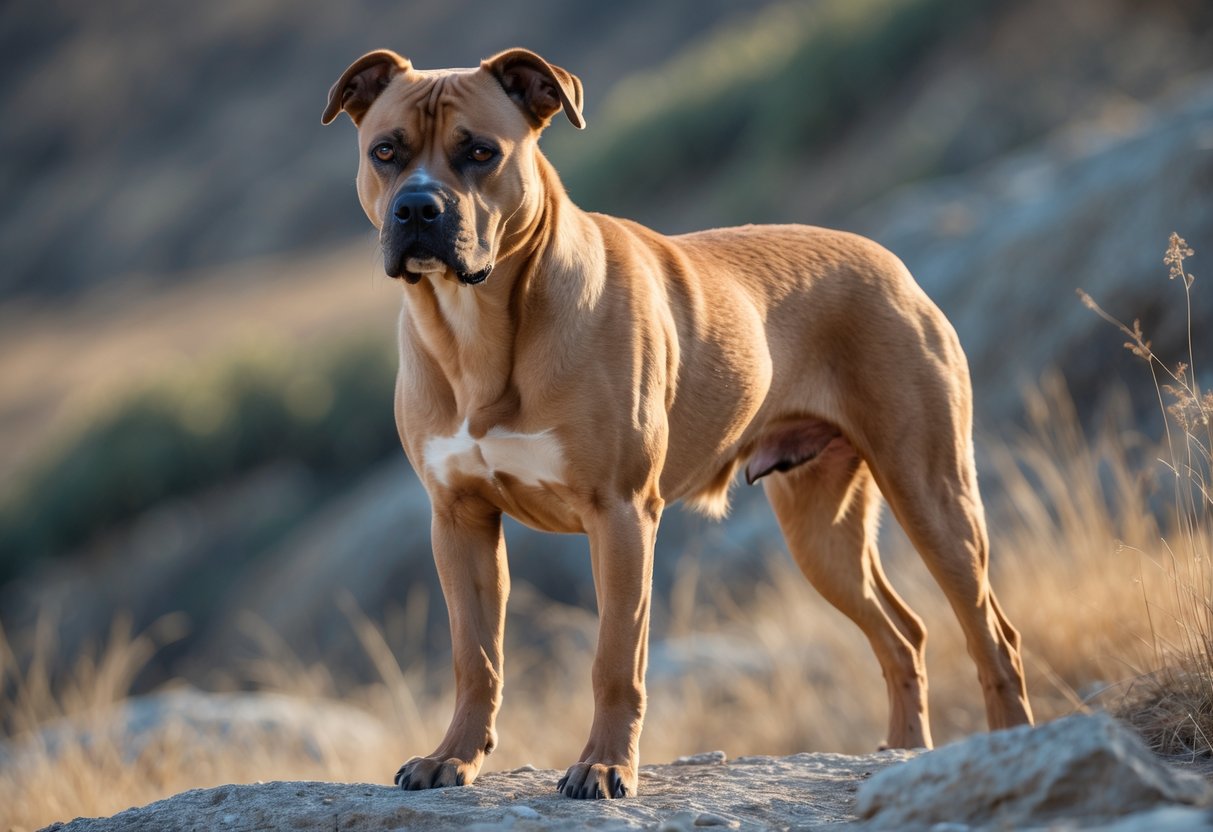
The Cordoba Fighting Dog originated in Argentina during the 19th century. Breeders crossed Mastiffs, Bull Terriers, Boxers, and Bulldogs to create this powerful dog.
It’s unsettling, but people bred these dogs for dog fighting. The breed became known for its aggressive nature and was a staple in blood sports.
They were usually white with brown markings, but fawn and brindle colours showed up too. The Cordoba Fighting Dog had a lean, muscular build.
If you’d seen one, it looked like a mix between a Boxer and a Mastiff. Argentina banned dog fighting in 1954, and after that, these dogs faded away.
The Cordoba Fighting Dog became extinct after the law changed. It’s hard not to see this as a good thing—the end of a breed tied to a cruel practice.
10) St. John’s Water Dog
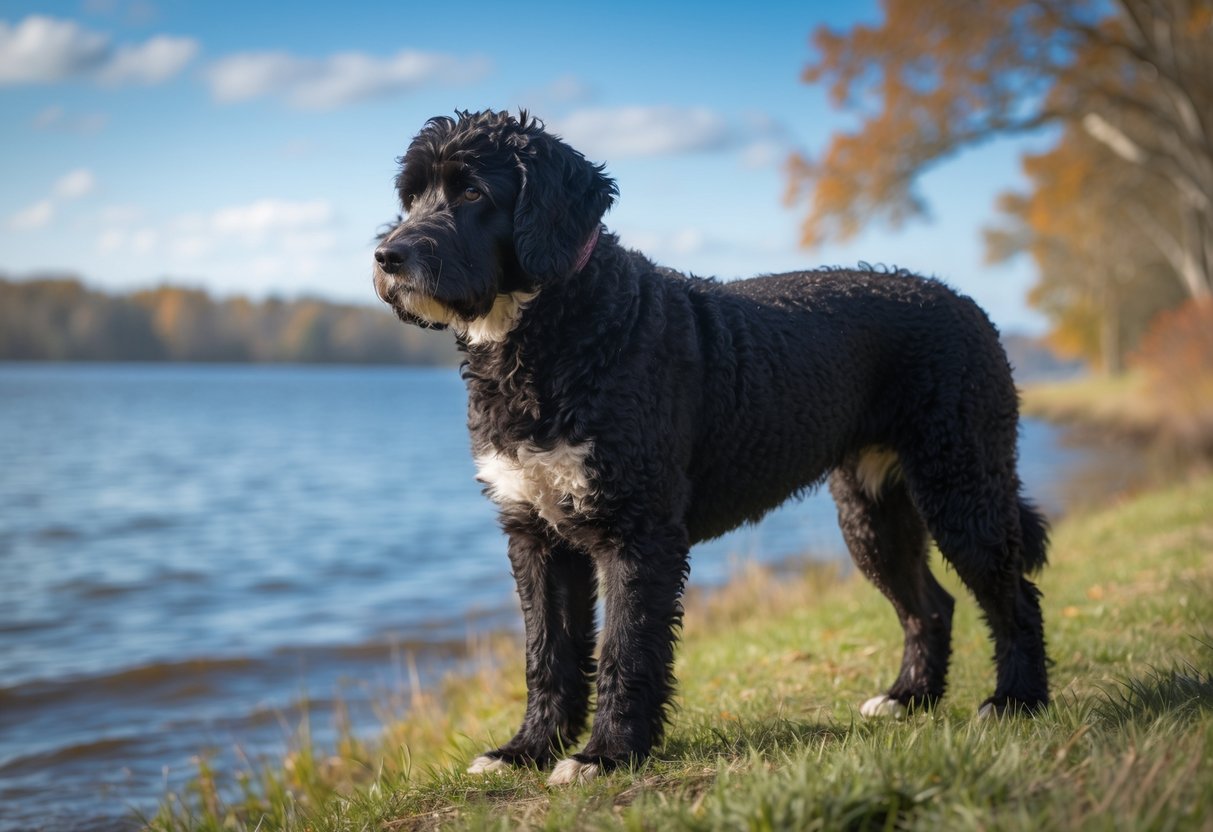
If you’ve ever loved a Labrador or Golden Retriever, you owe a debt to the St. John’s Water Dog. This extinct breed from Newfoundland was the common ancestor of many modern retrievers.
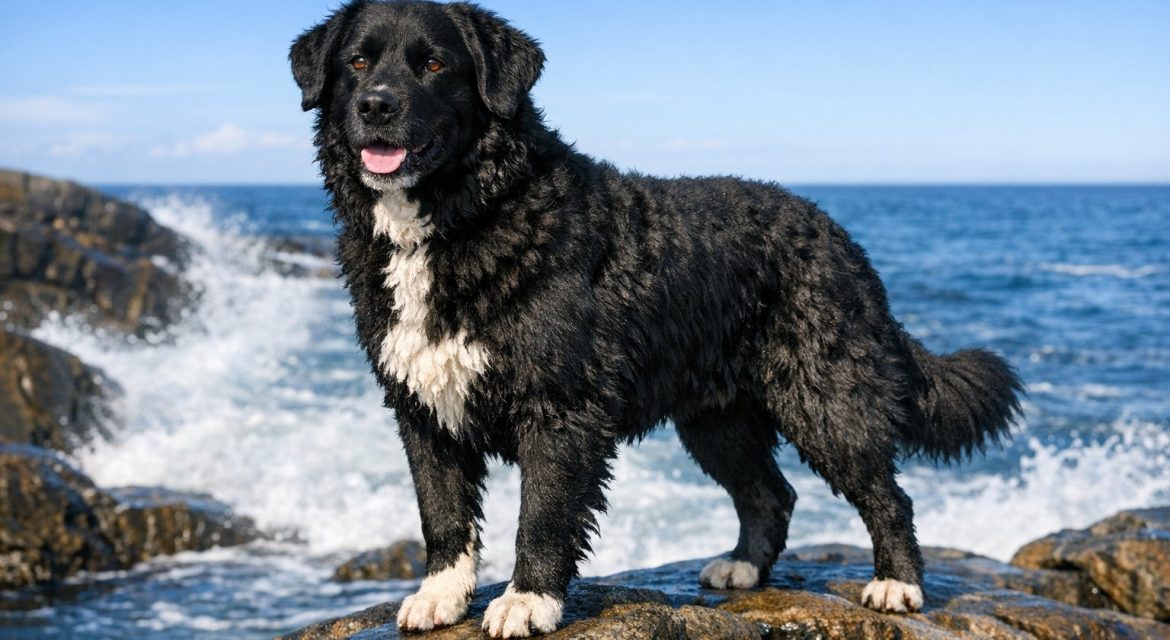
The St. John’s Water Dog, sometimes called the Lesser Newfoundland, probably came from a mix of old English, Irish, and Portuguese working dogs. They had thick bones and strong chests, with black coats and white chest markings.
Fishermen relied on these dogs for their incredible swimming skills. They worked tirelessly alongside crews in the cold Atlantic.
Both the Newfoundland dog and the Labrador Retriever descended from this breed. The modern English Labrador looks a lot like the old St. John’s Water Dog.
Sadly, this landrace breed eventually disappeared. Its legacy lives on in the retrievers you see today.
Causes Behind the Extinction of Dog Breeds

Dog breeds disappear when their purpose fades, their populations drop too low, or breeding practices wreck genetic diversity. It’s honestly a bit fragile, even for breeds that once seemed everywhere.
Changes in Human Society
Your lifestyle today barely resembles what your ancestors knew, and these changes hit dog breeds hard. When technology replaced traditional working roles, plenty of breeds lost their reason to exist.
The Turnspit dog once turned meat-roasting spits, but machines made them obsolete. Breeds used for bear-baiting or bull-baiting disappeared when those blood sports got banned.
Urban living patterns have shifted what people want in a dog. Smaller homes mean you probably don’t want a giant working breed that needs endless space.
Trends and fashion play a role too. Some breeds just fall out of style while others get all the attention.
Kennel clubs call a breed “vulnerable” when fewer than 300 puppies get registered in a year. That number usually means a breed can’t sustain itself anymore.
Environmental Factors
Environmental changes can wipe out whole dog populations, especially those stuck in one region. If habitats change or resources dry up, breeds adapted to those places can’t always keep up.
Colonial expansion and European settlement brought new diseases and competing dogs that native breeds couldn’t handle. The Kuri of New Zealand vanished partly because settlers’ dogs mixed with them.
Natural disasters and climate changes haven’t helped either. Breeds built for certain terrain or weather get wiped out when things shift too fast.
Island dog breeds were especially at risk. Their isolation meant less genetic variety, so they couldn’t bounce back from disease or sudden changes.
Selective Breeding Practices
Sometimes, the push for specific traits actually drives breeds toward extinction. When breeders focus too much on looks or one quality, they shrink the gene pool dangerously.
Inbreeding leads to health problems that make it tough—or impossible—for dogs to reproduce. Some breeds hit such severe genetic bottlenecks that they just couldn’t keep going.
Genetic health issues and dropping popularity create a nasty cycle. People avoid sickly breeds, so fewer get bred, and the problems just get worse.
Sometimes, crossbreeding programs absorb smaller breeds into bigger ones. That can save some genes, but the original breed vanishes as a distinct type.
How Extinct Dog Breeds Shape Our Understanding of Canine History
When you look at breeds that are gone, you get a window into how dogs changed alongside us. These lost breeds show what can happen when we chase certain traits or let needs shift overnight.
Lessons from Lost Lineages
Extinct breeds teach us a lot about selective breeding. The Tweed Water Spaniel helped create the Golden Retriever by passing along its hunting and retrieving skills.
You can spot mistakes too. Some breeds vanished because people bred for looks and ignored health, or because their jobs disappeared when new tech arrived.
The lack of documentation for some extinct breeds makes it tough to trace their story. But the records we do have help us see which breeding decisions worked—and which ones didn’t.
Relevance for Modern Breeding
Learning about extinct dog breeds gives us key insights into canine evolution. Breeders today can dodge old mistakes by seeing why certain breeds couldn’t make it.
When you look at lost breeds, it’s obvious how vital genetic diversity is. Breeds that got too specialised or had tiny gene pools usually vanished.
It’s useful to see how environmental and cultural changes shape breed survival. Shifting human needs and culture caused plenty of extinctions. Breeders now try to make dogs that can adapt as society changes, while hanging onto what makes each breed special.
Frequently Asked Questions
People often wonder about the dog breeds we’ve lost and what their disappearance means for us now. Understanding why breeds like the English Water Spaniel and Molossus vanished might help us protect the dogs we still have.
What beloved dog breeds from the past can we no longer find around us today?
You might be surprised by how many dog breeds have disappeared throughout history. The English Water Spaniel once helped hunters retrieve waterfowl in England, but it vanished in the early 1900s.
The Molossus was a powerful ancient dog from Greece and Rome. People used it as a war dog and guardian.
The Alpine Mastiff was a massive dog from the Swiss Alps, helping with rescue work in snowy mountains. This breed died out in the 1800s.
The Tahitian Dog lived on Pacific islands with Polynesian people before European contact changed everything. The Paisley Terrier was a small Scottish dog with a beautiful silky coat, prized for its looks.
You won’t find these breeds at dog shows or in your neighborhood anymore. They’ve completely vanished from our world.
The English Water Spaniel faded away because hunters started to prefer other retriever breeds that worked better for them. As new breeds gained popularity, fewer people bred the English Water Spaniel, and eventually, none remained.
This took several decades in the late 1800s and early 1900s. The Alpine Mastiff faced extinction when breeding practices changed in the Victorian era.
Breeders crossed these dogs with other large breeds to create the Saint Bernard we know today. The original Alpine Mastiff bloodline blended into other breeds until the pure form disappeared.
The Tahitian Dog couldn’t survive the arrival of European dogs on Pacific islands. The newcomers brought diseases the Tahitian Dog had never faced before.
European dogs also bred with the native dogs, erasing the pure Tahitian Dog bloodline. The Paisley Terrier lost popularity when the Yorkshire Terrier became the new favorite among dog enthusiasts.
Breeders switched their focus to developing the Yorkshire Terrier. Within a few generations, the Paisley Terrier ceased to exist as its own breed.
Why should we care about the dog breeds that have vanished, and what does it say about our history with canine companions?
Lost dog breeds tell us important stories about human culture and how our needs have changed over time. When you look at extinct breeds, you see how people once lived and worked.
The dogs we’ve lost show us which jobs mattered to our ancestors and how society has shifted. These vanished breeds also remind us that the dogs in our lives today aren’t guaranteed to stay with us forever.
Each extinct breed held unique traits and characteristics that we can never get back. When a breed disappears, we lose genetic diversity that took centuries to develop.
Are there any notable efforts that people have put into place to revive or recreate dog breeds that have disappeared?
Some enthusiasts have tried to recreate extinct breeds by breeding dogs with similar ancestry. These efforts often involve digging into historical records and paintings to figure out what the original breed looked like.
Breeders pick dogs with matching traits and work to develop a similar type. But truly bringing back an extinct breed isn’t possible.
Once the original bloodline is gone, any recreation is really just a new breed that looks like the old one. The genetic makeup of the original dogs can’t be perfectly replicated.
Modern DNA technology lets researchers study some extinct dog breeds through ancient remains. This helps us understand these dogs better, but it doesn’t let us clone or fully restore them.
The practical and ethical challenges of breed recreation are still big obstacles. It’s just not as simple as it sounds.
How does the extinction of particular dog breeds affect biological diversity and our environment?
When you lose a dog breed, you lose unique genetic traits that evolved over hundreds or thousands of years. Each breed carried specific adaptations that helped them survive in particular environments or excel at certain jobs.
This genetic diversity within the dog species becomes permanently reduced. The extinction of dog breeds represents lost genetic material that could have helped modern dogs.
Scientists might have used genes from extinct breeds to improve health issues in current breeds. Some extinct breeds had natural immunity to certain diseases or physical traits that would benefit dogs today.
Wild dog species and their genetic diversity also connect to domestic dog breeds in complex ways. Losing domestic breeds means losing part of the broader genetic pool that links all canines together.
This reduction in diversity can make remaining breeds more vulnerable to diseases and environmental changes. It’s a loss we can’t really undo.
What lessons can we learn from the extinction of these dog breeds to help protect those that are currently endangered?
If you care about rare breeds, support breed clubs and organizations that work hard to keep them around. Many breeds face imminent extinction today, just like the ones we’ve already lost.
Your curiosity and interest in these breeds can motivate breeders to stick with their preservation efforts. It really does make a difference when people pay attention.
Breeding responsibly matters more than ever for vulnerable breeds. Look for breeders who put health and genetic diversity first, not just appearance.
Too often, past extinctions happened because people cared too much about looks or let breeds get overly specialised. It’s a pattern we shouldn’t repeat.
Studying extinct breeds shows just how fast a breed can vanish if we don’t actively protect it. Sometimes, all it takes is a shift in fashion, work needs, or living situations, and a breed fades out within a few generations.
Honestly, supporting breed diversity today might be the only way future dog lovers get to enjoy the same variety we have now. It’s worth thinking about, isn’t it?