

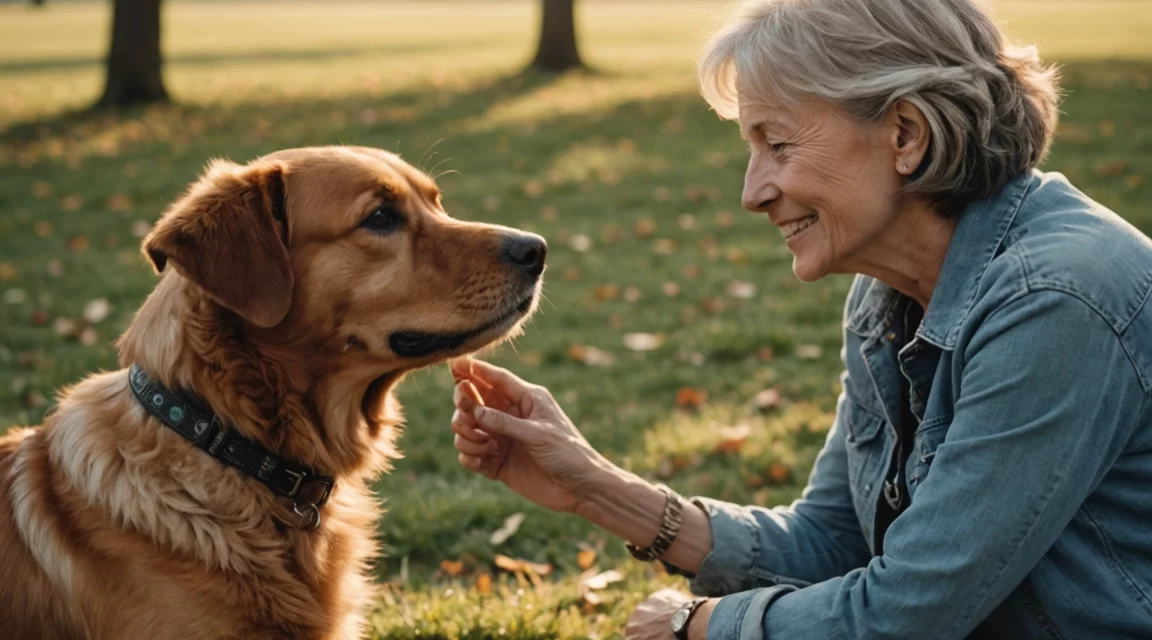
You feel it when your dog races to the door, leans against you on the sofa, or calms down after you return from a trip. Science shows dogs form strong emotional bonds with people and display behaviours and body chemistry that match what we expect from affection.

You’ll want to know which actions mean comfort, which are learned for treats, and what the hormones and heartbeats tell us about the nature of dog love. This article breaks down the evidence, explains the signs your dog loves you and offers small steps to deepen that connection.
Key Takeaways
-
Dogs form measurable emotional bonds with people.
-
Behaviour, hormones and body signals reveal affectionate intent.
-
You can strengthen the bond with simple, consistent actions.
Do Dogs Feel Love: What Science Says

Dogs show clear signs of strong bonds with people through behaviour, hormones and brain responses. You can see this in how they seek closeness, react to your mood, and even in chemical signals that change when you interact.
Hormones and Brain Chemistry in Dog Love
Oxytocin plays a big role in how dogs and humans bond. When you gaze into your dog’s eyes, both your oxytocin levels can rise. That hormone ties to trust, calmness and social bonding.
Dogs’ brains also respond to familiar faces and smells. Scans show activity in regions tied to reward when they see you or sniff your clothing. Dopamine and endogenous opioids reward pleasant interactions, which explains why dogs seem to enjoy cuddles and play.
Stress hormones matter too. Dogs pick up on human anxiety, which can raise their cortisol. That makes your calm, predictable behaviour important for helping your dog feel safe and loved.
Emotional Attachment and Evolution
You and your dog share a bond shaped by thousands of years of living together. Domestication favoured dogs that read human signals and stayed close to people. That history helped form the emotional link you experience today.
Attachment tests show dogs prefer their owners over strangers in stressful situations. They seek comfort from you, follow you, and show distress when separated. Those behaviours match simple forms of attachment seen in human caregivers and infants.
This does not prove dogs feel love exactly as humans do, but it does show consistent, reliable emotional ties. Your dog’s actions and physiology together point to real attachment that looks a lot like love.
Human-Animal Bond Beyond Instinct
You and your dog build a relationship through daily routines, training and shared time. Positive interactions—feeding, play, gentle handling—create habits that deepen trust and affection.
Dogs also read your facial expressions, tone of voice and body language. They can match a happy face with a joyful tone, and they notice mismatched signals. That sensitivity makes your behaviour shape their emotional state.
Practical steps help the bond grow: spend focused time, reward calm behaviour, and manage stress in yourself. Those things strengthen the signals your dog uses to feel connected and secure. For more on how dogs respond to human emotion and smell, see this overview of what science says about dogs and human feelings (https://www.oprahdaily.com/entertainment/books/a68044215/do-dogs-feel-love/).
How Dogs Show Their Love

Dogs show love through touch, gaze, and play. Recognizing the signs your dog loves you helps you better understand canine affection. These signals help you read your dog’s mood and strengthen your bond when you respond calmly.
Physical Contact and Body Language
Physical closeness is a top sign your dog loves you. Your dog may lean against you, rest their head on your lap, or nudge you with their nose. These actions mean they trust you and want comfort or attention.
Relaxed body posture—soft eyes, loose tail, and relaxed ears—also signals affection. Watch for full-body wags where the whole rear wiggles; that usually means happy and friendly. Stiffness, lip-licking or turned-away ears can mean stress, not love, so learn the difference.
Petting and grooming behaviours matter too. Dogs that push into your hand or roll over for belly rubs are inviting touch. Sleep choices tell you something: a dog that sleeps close to you feels safe near you. These physical cues form the core of canine affection.
Eye Contact and Facial Expressions
Direct, relaxed eye contact can be a powerful sign of affection. When your dog looks into your eyes with soft blinking, oxytocin—the “bonding” hormone—increases for both of you. Short, gentle stares paired with a relaxed face often mean your dog feels close and connected.
Raised inner brows that make the eyes look bigger and more expressive are another sign. Dogs evolved this to communicate with people and get attention. You might notice a “soft” mouth or a slight smile when they’re calm and happy.
Avoid interpreting hard stares, bared teeth, or tense facial muscles as love. Those are signs of worry or aggression. Learn the small differences so you can respond with calm reassurance rather than forcing contact.
Gifts and Playful Behaviour
Dogs often show affection by giving things or inviting play. Bringing you a toy, a shoe, or a found object is their way of sharing and interacting. This “gift” behaviour says they want to include you in something enjoyable.
Play invitations—bowing with front legs down and rear up, fast bouncy runs, or dropping a toy at your feet—are clear signs they want connection. When your dog follows you from room to room or excitedly greets you at the door, they’re showing attachment and joy.
Match their energy. Join a short play session, praise calmly, or trade a toy to strengthen the bond. Rewarding these behaviours teaches them that sharing and play lead to time together.
Recognising Individual Signs of Affection
Every dog shows love in their own way, shaped by breed, past experience and personality. Some dogs are clingy and want constant contact. Others prefer short, frequent interactions. Watch patterns over time to understand your dog’s individual signs.
Keep a simple list of what your dog does when they’re happy: specific tail wags, a certain whine, or a favourite way of leaning. That helps you spot genuine affection versus attention-seeking or stress. Respond consistently with gentle touch, calm praise, or play depending on what your dog prefers.
If a dog’s behaviour changes suddenly—less greeting, hiding, or new clinginess—check for health or stress issues. Reading these personal signals strengthens trust and helps you meet your dog’s emotional needs.
Bonding With Your Dog: Building Emotional Connections

Strong bonds grow from clear routines, kind attention and knowing how your dog communicates. Small, consistent actions build trust quickly. You can change your dog’s behaviour and deepen your connection with everyday choices.
Routine, Trust and Consistency
Dogs thrive on predictable schedules. Feed your dog at the same times each day, walk them on a regular route, and keep bedtime consistent. Predictability reduces anxiety and helps your dog learn what to expect from you.
Use simple rules and stick to them. If you allow the dog on the sofa sometimes, make that a clear rule rather than changing it often. Consistent cues and rewards during training help your dog understand the behaviours you want. Over time, that clarity becomes trust. Bonding with your dog is easier when your pet knows exactly what to expect from you.
Keep calm and steady during stressful moments. If your dog is nervous during fireworks or vet visits, a steady voice and consistent handling will reassure them. Trust builds when your dog learns you react the same way each time.
Quality Time and Positive Reinforcement
Spend focused, distraction-free time with your dog every day. Short training sessions, five to ten minutes, done with tasty treats and praise, teach skills and create happy memories. Play games your dog enjoys — fetch for high-energy dogs, scent games for thinkers.
Use positive reinforcement: reward wanted behaviours immediately. That could be a treat, a quick stroke, or an excited “good dog.” Avoid punishment. It can break trust and make your dog fearful rather than loving.
Mix physical and mental activity. A brisk walk plus a puzzle toy or short training challenge after returning home gives your dog balance. These moments help your dog link you to good things, which deepens bonding and shows them you care.
The Role of Scent and Communication
Dogs read the world through scent more than sight. Let your dog sniff on walks. Allow them to explore new smells safely; this lowers stress and gives mental exercise. You can leave worn clothing in their bed to comfort them with your scent when you’re out.
Watch body language closely. Soft eyes, relaxed ears and a wagging tail often mean contentment. Stiff body, closed mouth or tucked tail signal discomfort. Match your tone to the situation: calm, low praise for settling down; bright, higher tone for play and training.
Gentle eye contact can increase closeness but keep it soft and brief at first. Combined with touch and a soothing voice, it helps release calming hormones in both of you. Clear, kind communication strengthens the emotional bond and helps your dog feel loved.
Understanding Separation Anxiety and Emotional Complexity

Dogs form strong bonds with people and show emotions in ways you can see and change. Some behaviours, such as frantic pacing, destructive chewing, or toileting indoors, point to stress tied to being apart. Other responses, like checking on you or leaning against you, signal attachment and comfort-seeking.
Separation Anxiety As a Sign of Attachment
Separation anxiety often shows as intense distress when you leave home. You might find torn cushions, loud barking, or a dog that frantically scratches at doors. These actions are not just bad behaviour; they are signs your dog feels unsafe and overattached to your presence.
You can spot triggers: sudden changes in routine, a new household member, or more time left alone than normal. Management focuses on slow desensitisation, such as short practice departures, rewarding calm behaviour, and using safe chew toys to reduce arousal. In stubborn or severe cases, a vet or behaviourist can help with a tailored plan that may include medication alongside training.
Empathy and Emotional Mirroring in Dogs
Dogs react to your mood in basic, observable ways. When you are sad, some dogs will nuzzle, stay close, or adopt a relaxed posture to comfort you. When you are excited, they often mirror that energy by wagging, jumping, or bringing a toy.
This emotional mirroring comes from learned cues and social bonding rather than complex human thought. Studies show dogs and owners release oxytocin during calm, positive contact, which strengthens attachment. If your dog mirrors fear or anxiety, you can help by remaining calm, using steady routines, and practising short separations so they learn you will return. For persistent anxiety, consult professionals who can assess behaviour and suggest step-by-step training.
Frequently Asked Questions

Dogs show clear signs of strong attachment, seek physical contact, express joy when you return, and can get stressed when separated. Science links some of these behaviours to hormones and brain activity, while breed and early experience shape how each dog shows affection.
Can our furry friends truly experience affection towards their owners?
Yes. Many dogs seek eye contact, snuggle close, and follow you around because they prefer your company. These actions often come from a stable bond, not just from expecting food or walks.
Do pooches have the capacity to form emotional bonds with humans?
They do. Dogs form attachments to people who care for them, protect them and spend time with them. Puppies who get early, positive social contact usually build stronger, healthier bonds with their humans.
What are the common signs your dog loves you?
Signs include wagging with a soft body, leaning into you, bringing toys, greeting you excitedly, and calming when you touch them. Persistent attention-seeking or distress when you leave also suggests a deep attachment.
How do canine emotions differ from human feelings?
Dogs experience joy, fear, comfort and attachment, but their emotions are simpler and tied closely to immediate needs and cues. They don’t use language to reflect on feelings the way humans do, so you read mood through body language and actions.
Is there science behind the affection that dogs seem to display?
Yes. Research shows oxytocin increases during positive dog–owner interactions, and brain scans find reward responses to owner scents and voices. You can read more about hormonal bonds in studies summarised by organisations exploring canine behaviour (for example, see do dogs feel love or just loyalty? at https://iere.org/do-dogs-feel-love-or-just-loyalty/).
What can we do to ensure our dogs feel loved and cared for in return?
Give consistent routines, regular play, gentle handling and clear training using praise and rewards. Socialise puppies early, respond to fear or stress calmly, and spend quiet time together to build trust and a lasting bond.