


The Soft Coated Wheaten Terrier is a medium-sized Irish breed, famous for its silky, wavy coat and friendly personality. This lively terrier started out as a versatile farm dog in Ireland, handling everything from hunting vermin to herding livestock and sticking close to families as a loyal companion.
If you want a dog that mixes affection with a playful streak, the Wheaten could be just right for your home.

Soft Coated Wheaten Terriers are people-oriented dogs that greet everyone with enthusiasm and joy. They’re less aggressive than many other terriers, usually preferring to play with other dogs instead of picking fights.
Their signature greeting? Jumping up to show affection. It’s sweet, but if you prefer a more reserved pet, that’s something to keep in mind.
From their grooming needs to exercise habits, there’s a lot to learn about these charming dogs before bringing one home.
Key Takeaways
- Soft Coated Wheaten Terriers are friendly, energetic dogs that thrive on human companionship and need regular socialisation
- Their distinctive silky coat requires consistent grooming to prevent matting and keep them looking their best
- These terriers need daily exercise and positive training to channel their lively temperament into good behaviour
Soft Coated Wheaten Terrier Overview
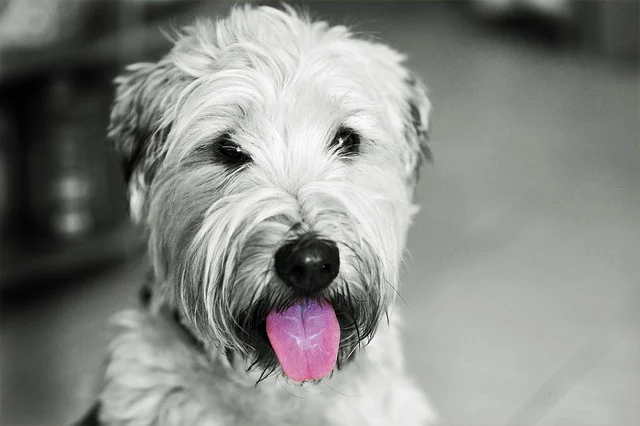
The Soft Coated Wheaten Terrier comes from Ireland, where farmers bred these dogs for versatile farm work. This medium-sized terrier breed stands out with its silky, wavy coat and cheerful nature.
Breed Origins and History
Your Wheaten Terrier traces its roots to Irish farmland, where working-class families needed an all-purpose dog. These dogs handled jobs like hunting vermin, herding livestock, and guarding property.
The breed developed over centuries in Ireland before anyone formally recognized it. Irish farmers who couldn’t afford several dogs relied on the Wheaten for everything, which made them adaptable and tough.
The breed’s name comes from the color of ripening wheat, which matches the dog’s unique coat. Irish farmers cared more about working ability than looks, so the breed stayed practical and resilient.
Breed Recognition and Standards
The Irish Kennel Club first recognised the soft-coated wheaten terrier in 1937. The Kennel Club in Britain followed, and The Soft-Coated Wheaten Terrier Club of Great Britain was established in 1955.
Official registration came in January 1957. The breed gained recognition in the United States in 1973.
Today, breed standards are maintained by kennel clubs worldwide, spelling out the ideal traits for the Wheaten Terrier.
Key Physical Characteristics
Your Wheaten Terrier usually stands 43-49 cm at the shoulder and weighs 14-18 kg. The breed’s most distinctive feature is its soft, silky coat in shades of wheat, from pale cream to golden.
The coat is single-layered, not double-coated like many other terriers. This gives the Wheaten its signature silky feel and makes it low-shedding—a relief if you’re worried about pet hair everywhere.
You’ll spot a compact, balanced body built for agility and endurance. Wheatens have a moderately long head, dark eyes, and triangular ears that fold forward.
Personality and Temperament
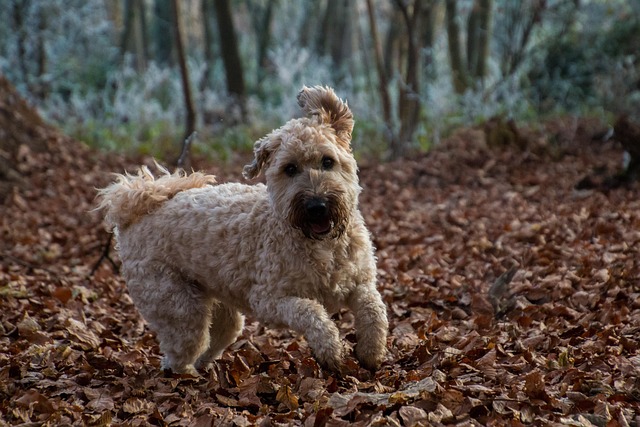
The soft coated wheaten terrier brings a lively, affectionate nature that makes them stand out among terriers. They balance playful energy with a friendly vibe, fitting into lots of different living situations.
General Disposition
Your soft-coated wheaten terrier will greet you with enthusiasm every single day. These dogs are naturally lively and inquisitive, often jumping up to kiss family members and guests.
They keep their puppy-like energy well into adulthood. Wheatens crave attention and interaction, thriving on being part of the action.
They make decent watchdogs, barking to announce strangers, but their love of people usually stops them from being true guard dogs. Their common sense keeps them from becoming constant barkers.
Unlike a lot of terriers, the Wheaten isn’t scrappy or argumentative. They’re intelligent and alert, but steady and adaptable whether you live in the city or countryside.
Family Dog Qualities
The soft coated wheaten terrier shines as a family dog because of their affectionate, playful nature. You’ll want to start positive training and socialisation early, since they form strong bonds with their people.
They dislike being left alone for long stretches and can bark or get mischievous if they’re bored. Wheatens do best in an active household where you can offer regular outdoor time, play, and training.
They need to be involved in daily family life to stay happy and well-behaved.
Interaction with Other Pets
Your wheaten terrier will usually seek out other dogs to play with, not to challenge them. They’re gregarious and enthusiastic about meeting new dogs, which makes them more sociable than most terriers.
Early socialisation with friendly dogs helps keep this positive attitude. Historically, wheatens hunted rats and other small animals, so you should supervise them around smaller pets, especially at first.
Coat, Colour and Grooming

The Soft Coated Wheaten Terrier’s unique coat needs regular maintenance. Knowing its texture and color helps you keep your dog looking sharp.
Soft Coat Features and Texture
Your Wheaten Terrier’s coat is one of its most recognizable features. The soft, silky texture feels luxurious and flows when you keep up with grooming.
The soft coat doesn’t shed like most breeds—you won’t find hair clumps everywhere. Still, dead hair must be removed with proper grooming, or the coat mats and tangles.
Some Wheatens have thinner, silkier coats, while others get thicker, plush fur. No matter the variation, you’ll need to care for it to keep mats away.
Recognised Colours and Variations
The breed’s name says it all about color. Your Soft Coated Wheaten Terrier should have a wheat-colored coat, ranging from pale gold to reddish-gold.
Puppies often start darker, then lighten to that classic wheaten shade as they grow. The Kennel Club highlights color and texture as key features in the breed standard.
Some dogs look almost white in summer, then a bit darker in winter. The shade varies but always stays in the wheat spectrum.
Regular Grooming Needs
Your Wheaten Terrier needs consistent grooming to keep its coat healthy. Daily grooming is essential since the coat is high maintenance, even though it doesn’t shed much.
You’ll want these tools:
- Metal comb with long teeth to reach the skin
- Pinhead brush for thorough brushing
- Blunt-ended scissors for trimming around ears and paws
Start grooming when your pup is young and tired. A good brush every other day keeps tangles away and removes dead hair. Make sure your comb gets right to the skin, but don’t hurt your dog.
Focus extra on spots that mat fast—chest, under the legs, and behind the ears. Teaching your Wheaten to lie on its back makes tummy grooming much easier.
Your dog’s puppy coat drops at around 8 months, and the adult coat starts coming in. This transition needs extra attention to avoid mats.
Living with a Soft Coated Wheaten Terrier

Your Soft Coated Wheaten Terrier needs daily exercise, consistent training from an early age, and a home where they’re not left alone for too long. These energetic dogs form strong bonds with their families and really do best when included in day-to-day life.
Exercise and Mental Stimulation
Your Wheaten needs at least an hour of exercise every day to stay happy and healthy. Walks, garden play, and interactive games all count—just keep things interesting for them.
These energetic terriers get bored fast and might bark or find trouble if they don’t have enough to do. Try mixing up their routine with different activities each week.
Puzzle toys, scent work, and hide-and-seek games keep their clever brains busy. They really do love a challenge.
Short training sessions double as mental exercise. Your Wheaten will have fun learning new tricks and commands, and you’ll strengthen your bond along the way.
Remember, these dogs were bred as versatile farm dogs for hunting vermin and herding livestock. That means they’ve got plenty of energy to burn.
Training and Socialisation
Start training your Soft Coated Wheaten Terrier as early as you can. They’re eager to please, but Wheatens can be stubborn, which makes things interesting.
Use positive reinforcement—treats and praise work wonders. Keep sessions short and fun so you don’t lose their attention.
Consistency is key. If you let up on the rules, your Wheaten will notice and start testing boundaries.
Socialisation is huge for these dogs. Introduce them to different people, dogs, and environments while they’re young.
This helps prevent nervousness or wild excitement in new situations later on. It really pays off.
Living Environment Requirements
Your Wheaten does best in homes where someone is around most of the day. They really don’t like being left alone for long and can develop separation anxiety if they’re isolated too often.
A secure garden is ideal—these dogs love to play outside. Make sure your fencing is solid, since terriers can be determined diggers (and escape artists).
Living with a Soft Coated Wheaten Terrier as a family dog means accepting that they’ll want to be part of everything you do. They don’t want to miss out.
Wheatens adapt well to different home sizes as long as you meet their exercise needs. Flats can work if you’re up for multiple daily walks.
Your Wheaten will be happiest sleeping near you at night and following you from room to room during the day. They’re real companions.
Health and Longevity

Your Soft-Coated Wheaten Terrier can live a long, healthy life with proper care and attention to their unique needs. Most Wheatens live 12 to 15 years, and some lucky ones make it to 17.
Common Health Concerns
Soft-Coated Wheaten Terriers have a few breed-specific health issues you should know about. The two most serious are protein-losing nephropathy (PLN) and protein-losing enteropathy (PLE), which affect the kidneys and digestive system.
Renal dysplasia is another kidney problem that can crop up in Wheatens. Regular health screenings matter because catching these conditions early can make a big difference.
Your Wheaten might also develop hip dysplasia or allergies. Some get skin sensitivities or food intolerances that need dietary tweaks.
Eye conditions like progressive retinal atrophy can show up too, though they’re not as common in this breed.
Life Expectancy
The average Wheaten Terrier lifespan is 12 to 15 years, so you’re in for a long-term companion. Some reach 17 years with excellent care and a bit of good fortune.
Genetics play a huge role in how long your Wheaten will live. Picking a puppy from health-tested parents gives your dog the best shot at a long life.
Your dog’s diet, exercise routine, and weight management also matter. Keep an eye on these things and you’ll help them stick around longer.
Early detection of health problems can really improve outcomes. Dogs that get annual health screenings and quick treatment for issues tend to live longer, healthier lives.
Veterinary Care and Preventative Tips
Annual health screenings are a must for your Soft-Coated Wheaten Terrier. These check-ups catch early signs of kidney or digestive trouble before things get serious.
Feed your dog a well-balanced diet that fits their age and activity level. Regular exercise keeps your Wheaten fit and supports their wellbeing.
Daily walks and playtime help maintain muscle tone and keep their minds sharp. Don’t skip these!
Stay on top of routine vaccinations, parasite prevention, and dental care. Brush your dog’s teeth regularly to avoid dental disease, since that can affect their overall health.
Watch for warning signs like appetite changes, excessive thirst, vomiting, or diarrhoea. If you notice anything off, call your vet sooner rather than later.
Choosing and Welcoming Your Soft Coated Wheaten Terrier
Getting a Soft Coated Wheaten Terrier takes some real research. You’ll want to find the right breeder or rescue, and make sure your home and family are ready for an energetic new arrival.
Finding a Responsible Breeder
Look for a breeder who follows solid health testing and ethical breeding practices. Responsible breeders health test their dogs for common Wheaten issues, including protein-losing conditions and hip dysplasia.
A good breeder will ask you plenty of questions about your lifestyle and home. They want to make sure their puppies end up in the right families.
They should welcome your questions too and let you meet the puppy’s parents. That’s always a good sign.
If you’re in Ireland or the UK, look for breeders registered with The Kennel Club or Irish Kennel Club. These folks usually follow a code of ethics and provide health certificates for both parents.
Ask to see where the puppies are raised. Puppies should grow up in a home with plenty of socialisation and exposure to family life.
The breeder should give you a contract and offer ongoing support after you bring your puppy home. That’s how you know they care.
Adoption Options and Rescue
Adopting an older Soft Coated Wheaten Terrier can be really rewarding. Rescue organisations work hard to find new homes for Wheatens who need a fresh start.
Breed-specific rescues know the Wheaten temperament inside out. They’ll help match you with a dog that fits your lifestyle and can often tell you about the dog’s background.
Rescued Wheatens might already be house-trained and past the wild puppy stage. On the flip side, they may need some time to settle in and feel secure.
Contact breed clubs for info about Wheatens needing new families. Many clubs keep lists of dogs looking for a second chance.
Preparing for Your New Dog
Before your Wheaten arrives, puppy-proof your space and grab the essentials. Remove or secure anything your dog could chew or swallow.
Set up a safe space where your Wheaten can rest and feel comfortable. It helps them settle in faster.
Essential supplies you’ll need:
- Food and water bowls
- High-quality dog food for their age
- Collar, lead, and ID tag
- Comfy bed or crate
- Grooming tools like a slicker brush and comb
- Age-appropriate toys
Book a vet appointment within the first few days. Your vet will check your Wheaten’s health and go over vaccinations.
Plan out your Wheaten’s daily routine before they come home. Decide on feeding times, toilet breaks, and exercise slots. Consistency really helps your new dog settle in and learn the ropes.
Frequently Asked Questions
Caring for a Soft Coated Wheaten Terrier means getting to know their grooming needs, diet, exercise habits, friendly nature, possible health issues, and how to train them. These practical questions can help you look after your dog the best way possible.
What can you expect in terms of grooming and maintenance for your furry friend?
Your Wheaten Terrier’s soft, silky coat needs regular attention to stay healthy and tangle-free. Plan to brush your dog at least two or three times a week to prevent mats.
Book professional grooming every 6 to 8 weeks to keep their coat in good shape. Between visits, bathe your Wheaten every 4 to 6 weeks using a gentle dog shampoo.
Don’t forget ear care and dental hygiene. Check their ears weekly and clean them with a vet-recommended solution to avoid infections.
Brush your dog’s teeth a few times a week with dog toothpaste to keep their mouth healthy. It’s easy to forget, but it matters.
Are there special dietary needs you should be aware of to keep your pal healthy and happy?
Your Wheaten Terrier needs high-quality dog food that matches their age, size, and energy level. A balanced diet gives them the nutrients they need to thrive.
Always provide fresh water to keep your dog hydrated. For specific dietary advice, check with your vet—they know your dog’s needs best.
Some Wheatens are prone to protein-losing enteropathy, so keeping an eye on their diet is extra important. Your vet can help you spot any special considerations for your dog.
How much exercise does your companion need to stay fit and energised?
Your Wheaten needs at least 30 minutes of exercise a day to stay happy and healthy. This breed thrives on regular walks, playtime, and activities that keep them engaged.
Fetch games and a secure outdoor space are great for burning off energy. These medium-sized dogs can adapt to flats as long as you keep up with daily exercise.
Mental stimulation is just as important as physical activity. Training, puzzle toys, and interactive games keep your Wheaten’s mind sharp and help prevent boredom.
What sort of temperament is common in these faithful pals, and how do they generally get along with families?
Wheaten Terriers are famous for their cheerful, friendly personalities and affectionate ways. They form strong bonds with family and really thrive on companionship.
These dogs are great with kids, offering loyal friendship and plenty of entertainment. Still, it’s smart to supervise playtime with young children to keep everyone safe.
Your Wheaten can get along with other pets, including dogs and cats. Early socialisation helps them build positive relationships with new animals.
Introduce your Wheaten to new pets in neutral spots and use treats and praise to encourage peaceful coexistence. It usually works out well with a bit of patience.
What health considerations should you keep in mind to ensure a long and joyful life together?
Regular vet visits really do help catch health problems early. Soft Coated Wheaten Terriers can be prone to conditions like protein-losing nephropathy and hip dysplasia.
Stay up to date with vaccinations and preventative care to protect your dog from common illnesses. Don’t forget about flea and tick prevention, plus routine health checks.
Keep a health record so you can track vaccinations, vet visits, and any medical concerns. Get familiar with symptoms of breed-specific issues—it makes it easier to spot trouble and get help fast.
How can you train your buddy effectively to ensure good behaviour and a strong bond?
Start training your Wheaten Terrier early, and lean into positive reinforcement. Treats and praise go a long way—they’re honestly some of the best tools for building trust and encouraging good behaviour.
Keep training sessions short, around 10 to 15 minutes. That way, your dog’s attention stays sharp and they don’t get bored or overwhelmed.
Stick to the same cues for commands. It’s surprisingly easy to confuse a pup if you switch things up too much.
Work on basic commands like sit, stay, and come every day. Daily practice really helps those lessons stick.
Early socialisation—ideally until about 16 weeks old—lets your Wheaten develop confidence and adaptability.
Let your puppy experience different places, people, and animals. It might feel a bit chaotic, but it’s worth it for a well-rounded, happy dog later on.


