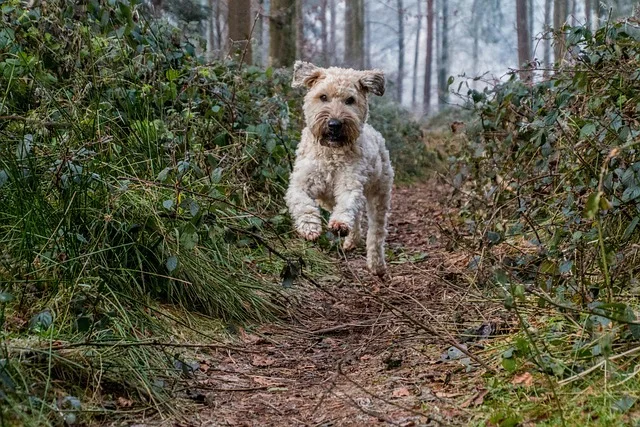


The Coton de Tulear is a small dog breed from Madagascar. Its soft, cotton-like white coat and cheerful personality make them wonderful companions.
This charming breed is known for being affectionate and playful. They form strong bonds with their families, making them ideal pets for both young and older owners.
If you’re considering adding one of these delightful dogs to your home, it’s worth understanding what makes them special.

These little dogs are more than just their fluffy appearance. The Coton de Tulear gets its name from the seaport city of Tulear in Madagascar and their unique cotton-like coat texture.
They’re related to other popular breeds like the Bichon Frise and Maltese. You’ll notice they share similar traits of loyalty and charm.
From grooming their signature coat to meeting their exercise needs, there’s a lot to know about living with this royal breed from Madagascar.
Key Takeaways
- The Coton de Tulear is a small, affectionate breed from Madagascar with a soft, cotton-like coat that needs regular grooming.
- These dogs are playful and intelligent. They thrive on companionship and bond closely with their owners.
- Regular veterinary care, dental hygiene, and preventive health measures help your Coton live a long, healthy life.
Origins and Fascinating History
The Coton de Tuléar‘s journey began on the island of Madagascar. These small dogs earned their place among nobility and inspired captivating legends about their intelligence and survival.
Roots in Madagascar and Toliara
The Coton de Tuléar originated in Madagascar, the world’s fourth largest island off the southeast coast of Africa. This breed gets its name from the port city of Tuléar (also spelled Toliara), located at the southern tip of the island.
During the 15th and 16th centuries, small companion dogs travelled with Spanish sailors and pirates across the Indian Ocean. These voyagers brought dogs to act as ratters and provide companionship during long journeys at sea.
Some of these dogs escaped or were left behind when ships docked at various ports. The breed you know today likely developed when these seafaring dogs bred with native dogs on Madagascar.
Through natural selection in the island’s unique climate, certain traits became more common. The result was a sturdy little dog with a distinctive cottony white coat suited to the tropical environment.
The breed was first officially registered on 15 May 1968 with the Société Canine de Madagascar. By 1971, the Fédération Cynologique Internationale recognised the Coton de Tuléar and established the first breed standard.
Royal Dog of Madagascar Legends
The Merina, Madagascar’s ruling tribe, kept Cotons exclusively for nobility and wealthy landowners. Only the island’s elite families could own these dogs, which is why Americans later called them the Royal Dog of Madagascar.
One popular legend tells of Cotons encountering hungry crocodiles at a river crossing. The clever dogs devised a plan where some barked loudly from another spot along the bank as a diversion.
Whilst the crocodiles investigated the noise, the remaining pack safely swam across to the other side. Another tale describes a shipwreck off Tuléar’s coast where passengers perished but their small companion dogs survived by swimming to shore.
These resilient dogs then bred with Madagascar’s feral dog population, creating ancestors of today’s breed.
Connection to Bichon Tenerife and Bichon Frise
Your Coton shares ancestry with the now-extinct Bichon Tenerife, a small terrier-type dog from the Spanish Canary Islands. These dogs accompanied explorers on sea voyages and spread throughout the Mediterranean and beyond.
The Bichon Tenerife’s descendants include several breeds you might recognise: the Maltese, Bolognese, Havanese, and Bichon Frise. When Tenerife dogs reached Réunion Island in the Indian Ocean, they became the foundation for the Coton de Réunion, a cotton-coated dog that no longer exists.
Sailors eventually brought the Réunion dog to Tuléar, where it developed into the Coton de Tuléar. Some accounts suggest a French colonist in the 1800s selectively bred small native dogs with Maltese, Bichon Frise, and other breeds.
This mix may explain why Cotons have the Bichon Frise’s small size and cottony coat. Still, they show their own unique quirks and characteristics.
Distinctive Appearance
The Coton de Tulear catches your eye with its cloud-like white coat and compact build. You’ll recognize this charming breed by its cotton-soft fur and expressive dark eyes that seem to understand your every emotion.
White Coat and Soft Fur
Your Coton de Tulear’s most striking feature is its distinctive cotton-like coat. The fur is typically white, though you might notice subtle accents of grey, tan, or black markings that give your dog its own unique character.
Some Cotons have what’s often described as ‘champagne’ coloured ears, adding extra charm. The coat is dense and fluffy, creating that signature cotton-ball look.
This soft, fluffy coat needs regular grooming to stay in good shape. The texture is quite different from typical dog fur—honestly, it feels more like touching a cotton wool ball than pet hair.
Typical Size and Structure
Your Coton de Tulear is a small dog standing about 9 to 11 inches tall at the shoulder. You can expect your companion to weigh between 8 to 13 pounds when fully grown.
Despite their size, these dogs have a sturdy, well-balanced build. The body is slightly longer than it is tall, creating a compact rectangular shape.
Your Coton has a straight back, strong legs, and a deep chest that supports healthy breathing. This well-proportioned structure means your small dog can move gracefully and confidently.
Most Cotons reach their full height by around one year of age. They continue filling out with muscle until about two years old.
Recognisable Features
Your Coton’s face captures hearts with its large, round, dark eyes that convey sweetness and affection. The eyes are incredibly expressive, letting your dog communicate emotions clearly.
You’ll notice medium-sized triangular ears set high on the head, which hang close to the cheeks and frame the face beautifully. The muzzle is medium in length with a black nose and strong jawline, creating balanced facial proportions.
This refined appearance gives your Coton an alert yet gentle expression. The rounded head and slightly tapered muzzle complete the breed’s distinctive look.
Combined with the fluffy white coat surrounding these features, your Coton’s face becomes utterly endearing and unmistakable among other small dog breeds.
Endearing Temperament and Behaviour
The Coton de Tulear stands out as one of the most loving and sociable companion dogs you’ll find. These small dogs form deep bonds with their families and show a playful, gentle nature.
Affectionate Nature with Families
Your Coton will quickly become your shadow around the house. These affectionate companion dogs thrive on human interaction and genuinely want to be near their people.
They’re not content sitting alone in another room. The breed develops strong attachments to family members.
You’ll notice your Coton following you from room to room, settling at your feet, or curling up beside you on the sofa. This isn’t just casual interest—Cotons truly crave your company and attention.
Because they bond so closely, separation anxiety can become an issue if your dog is left alone a lot. You’ll need to gradually teach your Coton to cope with alone time.
Consider providing comfort items and creating a consistent routine to help them feel secure when you’re away.
Compatibility with Children and Other Pets
Cotons typically do well in family environments with children. Their gentle temperament and patience make them suitable playmates for kids who understand how to interact respectfully with small dogs.
You should always supervise interactions with very young children to ensure both your child and dog stay safe. These happy and sociable dogs generally get along well with other pets in your household.
Whether you have another dog or even a cat, your Coton will likely adapt and form friendships. Their friendly nature means they rarely show aggression towards other animals.
Early socialisation helps ensure your Coton develops into a well-adjusted companion. Introduce your puppy to various people, animals, and situations whilst they’re young.
This builds their confidence and reinforces their naturally sociable tendencies.
Playful Personality
Don’t let their fluffy appearance fool you—Cotons have tons of energy and a real love for play. People often call them “clowns in a cotton suit” because they keep families entertained with their antics and cheerful personalities.
Your Coton will find ways to make you laugh throughout the day. They enjoy interactive games like fetch, tug-of-war, and hide-and-seek.
Mental stimulation matters just as much as exercise for these clever dogs. Puzzle toys and training games keep their brains busy and help prevent boredom.
Despite that playful streak, Cotons aren’t hyper. They’re happy to join you for a short walk or just snuggle up for a cuddle session.
This adaptability makes them great companions whether you live in a flat or a house with a garden.
Coat Care and Grooming Essentials

Your Coton de Tulear’s cotton-like coat needs regular attention to stay healthy and mat-free. Brushing several times weekly helps prevent tangles, and professional grooming keeps that signature fluffy look.
Daily Brushing Routine
Try to brush your Coton’s coat at least 3-4 times a week. Daily brushing is even better for keeping mats away.
Their soft fur tangles easily, especially behind the ears, under the legs, and around the tail. Start with a pin brush and gently work through the whole coat from head to tail.
Follow up with a metal comb to catch any hidden tangles in the deeper layers. Before brushing, use your fingers to gently loosen any knots you notice.
Matting gets tricky when your puppy’s coat turns into adult hair around 7-8 months old. During this stage, daily brushing is a must to stop severe tangling.
Keep grooming sessions positive with treats and praise. Your Coton will start to enjoy the attention if you make it a pleasant experience.
Professional Grooming Advice
Visiting a professional groomer every 6-8 weeks helps keep the white coat looking its best. Groomers can trim footpads, clean ears thoroughly, and give proper baths.
If you prefer grooming at home, bathe your Coton monthly using lukewarm water and a dog-specific shampoo for sensitive skin. Human shampoos mess with your dog’s skin pH and can cause irritation.
Rinse completely to avoid residue that causes itching. Pat the coat dry gently instead of rubbing hard.
You can use a blow dryer on low heat with cool air. Keep it moving so you don’t overheat any one spot.
Managing Low Shedding
Your Coton’s single-layered coat sheds very little compared to double-coated breeds. That makes them a good pick if you want less hair around the house.
But minimal shedding doesn’t mean you can skip grooming. The cottony fur picks up debris easily during outdoor play.
Regular brushing removes loose hairs and stops them from turning into mats. You’ll also help spread natural oils that keep the fur shiny and healthy.
Check your Coton’s coat weekly for any signs of skin issues, redness, or dryness. If you spot something odd, it’s easier to fix it early.
Health and Wellbeing

The Coton de Tulear usually enjoys a long lifespan of 14 to 17 years. Of course, like any breed, they can face health challenges that need your attention.
Knowing these issues and taking preventive steps helps your dog live their happiest, healthiest life.
Longevity and Common Health Concerns
Your Coton de Tulear can be a healthy breed with a long life when you care for them properly. Most Cotons live between 14 and 17 years, which is pretty impressive for a small dog.
Still, be aware of some health conditions that can affect this breed. Luxating patella is common, where the kneecap slips out of place and causes limping or discomfort.
Progressive retinal atrophy is another concern that can slowly lead to vision loss. Dental problems can also crop up if you skip oral hygiene.
Small breeds like the Coton are prone to tooth decay and gum disease. Regular tooth brushing and dental check-ups are essential.
Skin conditions sometimes develop in Cotons, so keep an eye on their coat and skin for any signs of irritation or allergies.
Preventing Hip Dysplasia
Hip dysplasia happens when your dog’s hip joint doesn’t develop right, leading to arthritis and pain. It’s more common in larger breeds, but Cotons can get it too.
You can help prevent hip dysplasia by keeping your dog at a healthy weight. Extra pounds put stress on their joints and make things worse.
Feed them a balanced diet with the right portion sizes. Exercise matters, but don’t overdo it when your Coton is a puppy.
Their bones and joints are still growing, so limit jumping from heights and too many stairs until they’re fully grown. If you’re buying a puppy, ask the breeder about health testing.
Responsible breeders screen for hip dysplasia and other genetic issues. Regular vet check-ups catch joint problems early, when they’re easier to manage.
Ensuring a Healthy Breed
Proper nutrition and regular vet care are the foundation of your Coton’s wellbeing. Choose a high-quality dog food that fits their age, size, and activity level.
Regular exercise keeps your dog fit and mentally sharp. Daily walks and playtime help them stay at a healthy weight and avoid boredom-related behavior.
Your Coton doesn’t need intense exercise, but they do love staying active with you. Grooming isn’t just for looks—it’s crucial for health too.
Regular brushing prevents matting, which can cause skin problems. Check their ears every week for infection, especially since their fluffy coat can trap moisture.
Book annual vet exams even when your dog seems totally healthy. Early detection of common health issues makes treatment easier and more effective.
Keep vaccinations up to date and talk to your vet about parasite prevention.
Living with a Coton de Tulear

These charming companion dogs adapt well to different homes and lifestyles. They need daily interaction, gentle training, and someone who can be around most of the time.
Your Coton will follow you from room to room and thrives when included in family activities.
Ideal Home Environment
The Coton de Tulear adapts well to all sorts of living environments, from flats to houses with gardens. This small dog doesn’t need a huge space to be happy.
You can keep your Coton comfortable in a city flat as long as you give them daily walks and playtime. These dogs do best when someone is home most of the day.
They form strong bonds with their families and can develop separation anxiety if left alone too long. If you work from home or have a flexible schedule, that’s perfect for this breed.
Your Coton will appreciate a cozy spot near where you spend most of your time. Set up a comfy bed in the living room or your bedroom.
They don’t handle extreme temperatures well, so keep them indoors during very hot or cold weather.
Activity Needs for Small Dogs
Despite their size, Cotons need daily short walks of 15-20 minutes and regular play. They’re not hyper, but they do like to stay active.
Daily activities your Coton will enjoy:
- Short neighbourhood walks twice daily
- Indoor games like fetch or tug-of-war
- Hide-and-seek with treats
- Puzzle toys and scent work
- Gentle play with other dogs
You don’t have to provide intense exercise like for a working breed. Your Coton is content with moderate activity that keeps their mind and body engaged.
Indoor play works well on rainy days or when you’re short on time.
Training Tips for New Owners
Your Coton is smart and eager to please, but sometimes they can be a bit stubborn. Start training early using positive reinforcement like treats, praise, and play.
Keep training sessions short and fun so your dog doesn’t lose interest. Housebreaking can take a little patience with this breed.
Crate training works well and gives your small dog a safe space. Take your Coton outside often and reward them right away when they toilet in the right spot.
Socialisation is important from puppyhood. Introduce your Coton to different people, sounds, and situations gradually.
This helps them grow into a confident, well-adjusted companion. Practice basic commands like sit, stay, and come using rewards, not punishment.
Frequently Asked Questions

Coton de Tulears need regular brushing to stop tangles, moderate daily activity to stay healthy, and a balanced diet for small breeds. These friendly dogs thrive in family settings and respond well to positive training, though you’ll want to watch for certain health issues as they get older.
What’s the best way to groom a Coton de Tulear, and how often should we do it?
You really need to brush your Coton de Tulear often if you want their coat to stay healthy and free of tangles. Cotons have hair, not fur, so their coat tangles more easily than breeds that shed.
Most people go for a puppy cut since it makes grooming a lot easier. If you don’t want to do it yourself, plan on professional grooming every month or so.
Brushing between appointments stops mats from forming and keeps your Coton comfortable. Some Cotons need more grooming than others—even within the same litter, so you’ll get a feel for what your own dog needs over time.
Can you tell us about the exercise needs of a Coton de Tulear? How much activity do they typically require?
Coton de Tulears do best with moderate daily exercise. They love walks, playtime, and pretty much anything interactive with their people.
Wait until your puppy finishes all vaccinations before letting them touch ground outside your yard. Parvo is unfortunately common now and can be very dangerous for unvaccinated pups.
When your Coton is ready for walks, use a harness instead of a collar. Collars can hurt small dogs’ tracheas and cause breathing trouble.
Are there any specific dietary requirements we should know about to keep a Coton de Tulear healthy?
Your Coton de Tulear needs a balanced diet for small breeds. Breeders usually give you detailed feeding instructions when you pick up your puppy.
If you have city water, it’s better to use bottled water. Ceramic bowls seem to work best—plastic and metal aren’t great choices for feeding.
Adult Cotons usually weigh 10 to 15 pounds, so portion control really matters. Males tend to be a bit bigger than females, which can affect how much they eat.
What’s the temperament of Coton de Tulears like, and would they suit a home with children and other pets?
The Coton de Tulear is one of the friendliest dog breeds and makes an outstanding family companion. These dogs are affectionate, super sociable, and bond closely with their people.
Cotons are people pleasers who just want to be with their families. They can get anxious if left alone for too long, so they’re not for folks who are gone all day.
They love everyone, whether it’s guests or total strangers, so they’re not much good as watchdogs. Still, Cotons do make great little alarm dogs—they’ll let you know if something’s up.
This breed started out as a companion dog, so both males and females are super cuddly and affectionate. Many Cotons even become therapy dogs because they’re so empathetic.
How do we go about training a Coton de Tulear, and what challenges might we face?
Coton de Tulears are smart and eager to please, so training usually goes pretty smoothly. They respond really well to praise, play, and food rewards.
Positive reinforcement works best for Cotons. Using treats and praise helps you teach good behaviors and build trust.
Start training early and stay consistent. The Puppy Culture Method of Socialisation is a great way to help your pup get used to new situations, sounds, and sights.
Some owners worry about males marking, but honestly, females can do it too. You can usually fix marking with the right training techniques.
Coton de Tulears typically live 15 to 19 years. They’re actually one of the healthier dog breeds out there.
Some health concerns pop up, though—mainly hip dysplasia, progressive retinal atrophy, and patellar luxation. Not the end of the world, but definitely things to keep an eye on.
Good breeders test all their dogs for health before breeding. They’ll usually do DNA tests for the six most common genetic diseases in Cotons.
Honestly, you should expect a one-year health guarantee with your puppy. If you don’t get one, that’s a red flag.
Before your puppy comes home, a vet will give them a physical exam. They’ll also get their first round of vaccinations, a dewormer, and a microchip for ID.
Regular check-ups with your vet help spot problems early. Staying on top of their care makes a huge difference.