

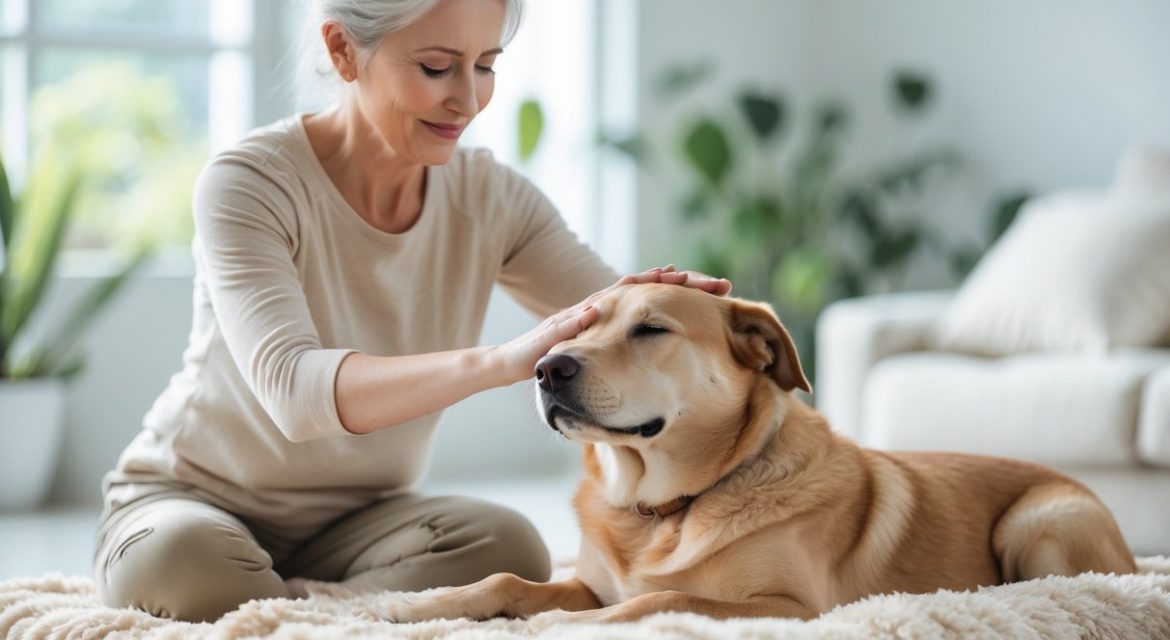
You care about your dog’s comfort and want safe, gentle ways to help them feel better. Reiki treatment for dogs is a popular holistic therapy that uses calm, hands-on energy work. It helps to reduce stress, ease pain and support healing without drugs or needles. You can use Reiki at home or with a trained reiki practitioner to help your dog relax, recover from injury or cope with anxiety.

This article explores what is Reiki and how it works for pets. It covers the benefits you might expect and simple tips to prepare your dog for their first session. It also helps you know when to keep Reiki as a complement to veterinary care rather than a replacement.
Key Takeaways
Reiki offers gentle, non-invasive support to help a dog feel calmer and more comfortable.
Sessions focus on relaxation and can be done at home or by a trained practitioner.
Use Reiki alongside veterinary advice for best results.
Understanding Reiki for Dogs

Reiki for dogs aims to help with relaxation, pain relief and emotional balance. It uses gentle hand placement and focused intent to work with a dog’s energy, always respecting the animal’s comfort and safety.
What Is Reiki?
When people ask what is Reiki, it is best described as a hands-on or near-body practice that channels healing energy. It began in Japan and uses simple hand positions to direct calm, steady attention toward the recipient.
A reiki practitioner sets a clear intention for each session. A skilled animal reiki practitioner creates a quiet space, places hands lightly on or above the dog, and observes the dog’s reactions. Sessions usually last 10–30 minutes, though times vary by need.
Reiki is not a veterinary treatment. It acts as a complementary therapy to support relaxation, reduce stress and help with recovery when used alongside veterinary care.
How Animal Reiki Differs From Human Reiki
Animal Reiki is a specialised form of reiki for animals that adapts technique and pace to suit non-verbal clients. Dogs cannot follow verbal cues, so the practitioner reads body language and moves at the dog’s tempo.
Practitioners often avoid prolonged direct touch on anxious or injured animals. This approach of letting the animal lead is a core philosophy popularized by experts like Kathleen Prasad. It ensures the dog always feels safe and in control.
Training emphasises species behaviour and consent. Animal Reiki places extra weight on observation, gentle timing and consent signals like relaxed posture, yawns or leaning in.
The Role of Healing Energy
Healing energy in Reiki refers to an attentive, calming presence focused through the hands. Practitioners describe it as a steady, non-invasive flow that encourages the dog’s own ability to settle and heal.
For dogs, the main effects reported are reduced anxiety, lower stress signs and a calmer recovery after injury or surgery. Practitioners watch for physical and behavioural shifts — softer breathing, relaxed muscles, or less pacing — as signs the energy is helping.
All work should respect veterinary advice. Reiki supports wellbeing by creating a calm state that may make medical treatments easier to tolerate and recovery more comfortable.
How Reiki Treatment Works for Dogs

Reiki channels calming energy to help a dog relax, ease pain and support recovery. Sessions can be done with touch, without touch, or from afar, and practitioners use steady hand positions and quiet observation to guide the process.
Hands-On and Hands-Off Techniques
Hands-on Reiki uses gentle contact at specific points on the dog’s body. A reiki practitioner places palms lightly over areas like the head, chest, spine and joints. These common reiki hand positions aim to calm muscle tension and improve circulation without forcing movement.
The dog sets the pace. If a dog moves away or nudges, the practitioner follows and adapts the placement or switches to hands-off work.
Hands-off (or hands-off) Reiki keeps the palms a few centimetres above the dog’s body. This suits dogs that dislike touch or have painful areas. It still uses the same intent and focus as hands-on Reiki, but without direct contact. Practitioners watch body language closely — yawns, relaxed breathing or shifting weight give useful cues.
What Happens During a Session
A typical reiki session begins with the practitioner creating a calm space: low noise, soft light and a familiar bed or mat for the dog. The practitioner may start by assessing the dog’s posture and breathing to find where stress or pain appears. Sessions often last 20–45 minutes depending on the dog’s age, condition and tolerance.
During the session the practitioner cycles through several hand positions, spending several minutes at each spot. They use gentle touch or hover hands to target areas of pain, injury or emotional stress. The practitioner speaks softly and lets the dog sniff or move as needed. Signs of positive response include relaxed limbs, slow blinking and deep breaths. If a dog shows distress, the practitioner stops, reassesses and may shorten or modify the session.
Distance Reiki and Distant Healing
Distance Reiki, also called distant healing, sends focused intent without physical presence. The practitioner sets an intention for the dog, uses visualisation or symbols, and connects energetically across distance. This allows reiki treatment for dogs when travel is hard or the dog is stressed by new people.
Practitioners often schedule a remote session at a set time so the caregiver can keep the dog comfortable. The owner might sit quietly with the dog, stroke them, or leave them to rest. Many report similar calming effects as in-person sessions, though responses vary by dog. Distance sessions can complement hands-on care and veterinary treatment but should not replace medical advice for urgent conditions.
Benefits of Reiki Treatment for Dogs

Reiki for dogs offers gentle, hands-on energy healing that can ease physical pain, reduce stress and support long-term conditions. It also helps dogs feel safer during recovery and can deepen the bond between owner and pet.
Physical, Emotional, and Behavioural Benefits
Reiki treatment for dogs can reduce muscle tension and soothe sore joints. Many owners report calmer breathing, lower heart rate and less visible pain after short sessions. This makes it a useful complementary therapy alongside veterinary care for issues like arthritis or post-surgery discomfort.
Emotionally, dog reiki often lowers anxiety in noisy situations (vet visits, storms, travel). In the context of reiki for animals, sessions can help a dog become less reactive and more settled. This may reduce barking, pacing or destructive behaviour tied to fear. Reiki’s gentle touch and focus on energy also help dogs that have experienced trauma to feel safer and more relaxed over time.
Supporting Recovery and Chronic Conditions
Reiki supports the body’s natural healing processes without drugs or invasive procedures. For dogs recovering from surgery or injury, regular sessions can help them rest more, which aids tissue repair and reduces stress-related setbacks. Reiki does not replace medical treatment but can speed comfort and improve quality of life when used alongside vet-prescribed care.
For chronic conditions—such as degenerative joint disease, long-term pain or cancer—reiki treatment for dogs can lessen discomfort and improve daily function. Owners often notice better appetite, improved sleep and increased willingness to move. Practitioners tailor sessions to the dog’s needs, making it a flexible holistic therapy for ongoing support.
Enhancing the Owner-Dog Bond
Dog Reiki provides time and focused attention, which strengthens trust between a dog and their caregiver. When an owner learns basic energy healing techniques, they can comfort their pet at home, creating a reliable routine that the dog anticipates and enjoys.
Sharing calm, quiet moments during reiki helps owners understand subtle cues—like where a dog holds tension or when it needs space. That awareness improves day-to-day care and emotional connection. In this way, reiki becomes both a healing tool and a shared practice that benefits the dog and the whole household.
Who Can Perform Reiki on Dogs?

Reiki for dogs is usually given by trained humans who know how to read animal behaviour, work safely, and respect veterinary care. Good practitioners combine technical training with gentle hands-on or hands-off methods and clear communication with the owner.
Finding a Qualified Reiki Practitioner
Look for an animal reiki practitioner who lists Animal Reiki on their profile and has specific experience with dogs. Ask about their training level (e.g. Reiki Levels I–III) and whether they completed extra animal-focused courses. A reputable practitioner will share client references, insurance, and a clear working policy.
Check if they work with vets or will request veterinary consent for medical issues. Confirm they use a calm, non-invasive approach and let the dog lead the session. In the UK, organisations like the UK Reiki Federation help owners find registered members and view professional standards. Consulting the UK Reiki Federation can give you peace of mind regarding a practitioner’s training.
What Is Animal Reiki Training?
Animal Reiki training teaches how to adapt human Reiki methods to animals’ needs and signals. Courses cover safe hand positions, hands-off options, reading body language, and tailoring sessions for different species and ages.
Training often includes practical practice on animals, ethics, and when to refer to a vet. Many practitioners study methods developed by Kathleen Prasad to ensure they respect animal agency. This helps someone become a professional animal reiki practitioner. Most courses require prior basic Reiki attunement and issue a certificate on completion.
About Reiki Attunement
Reiki attunement is a process that prepares a practitioner to channel Reiki energy. It is usually taught by a qualified Reiki Master during Level I or II training and involves ceremonies or guided meditative steps.
Attunement does not replace clinical knowledge. For animal work, practitioners should receive attunement first, then take animal-specific training. A proper attunement plus hands-on animal practice helps the practitioner stay safe, respectful, and effective when working with dogs.
Preparing for and After a Reiki Session

Set up a quiet, safe space and plan to watch your dog closely during and after the session. Keep the session short at first, bring water, and note any changes in behaviour or appetite.
Creating a Calming Environment
Choose a room with low noise and soft light. Turn off music, TV, and phone alerts. Use a comfortable blanket or bed your dog already trusts. Close windows if outside sounds upset them.
Keep the session area free from other pets and busy foot traffic. Have treats and fresh water nearby but out of reach until the session ends. Set a timer for 10–20 minutes for beginners and extend only if the dog stays relaxed.
Wear clothes that won’t rustle and sit at the dog’s level. Let the dog come to the practitioner and approach on their own terms. Respect signs of stress by stepping back or stopping.
Understanding Your Dog’s Reactions
Dogs show clear physical and emotional signals during Reiki sessions. Look for soft eyes, slow breathing, sighs, stretching, or leaning into the practitioner as signs of comfort.
Watch for yawning, lip licking, turning away, tensing, or moving off as signs the dog needs space. If the dog shows strong avoidance or aggression, stop and consult a vet or a trained reiki practitioner.
Record immediate reactions in a notebook: time, what happened, and any body language. Repeat sessions may produce different responses as the dog learns to accept reiki for dogs. Always prioritise the dog’s pace over the planned routine.
Aftercare and Observations
Offer fresh water and wait a few minutes before giving treats or exercise. Allow the dog to rest in a familiar spot and avoid high-energy play right after the session.
Monitor the dog for 24–48 hours for changes: appetite, sleep, bowel movements, energy level, and mood. Note positive signs like calmer behaviour or improved mobility, and any negative signs like increased lethargy or discomfort.
Share observations with a veterinarian if the dog has a medical condition or shows worrying changes. Keep a simple log of session length, environment, and reactions to track progress with reiki sessions over time.
Integrating Reiki With Veterinary Care

Reiki can calm a stressed dog and support recovery when used with proper medical treatment. Owners should keep vet diagnoses, medications, and follow-up plans central while using Reiki as a gentle, non-invasive complement.
Reiki as a Complementary Therapy
Many owners find that reiki for animals works best alongside conventional veterinary care, not instead of it. It can help reduce stress, ease anxiety, and support relaxation during recovery from surgery or chronic conditions like arthritis.
A qualified veterinary diagnosis should guide any care plan. Owners must tell the vet about Reiki sessions and keep medication schedules and tests on track.
Practical steps help integrate both approaches:
Ask the vet whether Reiki is appropriate for the dog’s condition.
Choose a practitioner who accepts working with vets and who knows when to stop and seek medical help.
Keep written records of symptoms, medications, and any changes after Reiki sessions.
This keeps treatment safe, clear, and focused on measurable health needs rather than replacing necessary medical care.
When to Consider Reiki for Your Dog
Consider Reiki when stress, fear or pain affects daily life, or as supportive care during long-term illness and end-of-life comfort. Examples include anxiety during travel, recovery after routine surgery, chronic pain from arthritis, or hospice support for a senior dog.
Do not delay vet assessment for signs like difficulty breathing, collapse, severe bleeding, or sudden lameness. In those cases, immediate medical attention takes priority.
Look for practical signs Reiki may help:
Dog relaxes and seeks contact during sessions.
Reduced pacing, panting, or trembling after treatment.
Improved sleep or appetite over several sessions.
If improvements stall or new symptoms appear, return to the vet for reassessment.
Finding someone who understands both canine behaviour and energy healing can make a world of difference for your pet. If you are located in or around South Yorkshire, Derek Collinson—a Certified Third Degree Master Practitioner in the Usui system of Reiki—incorporates this calming philosophy into his pet care business, K9 Time in Sheffield. Whether through dedicated sitting visits or tailored solo dog walks, his holistic approach is highly sought after for anxious, reactive, and rescue dogs that need emotional balancing alongside physical exercise.
Frequently Asked Questions

This section answers common concerns about what Reiki can do for a dog, how to recognise a good response, what happens at a first appointment, safety limits, treatment frequency, and whether Reiki can help behaviour. Each answer gives clear, practical points you can use when deciding about care.
What benefits can my dog experience from Reiki therapy?
Reiki may reduce visible stress signs, such as panting, pacing, trembling, or hiding. It can help a dog relax during visits, travel or recovery from vet procedures.
Owners often report reduced pain behaviours in dogs with arthritis or injury, such as easier rising and more comfortable walking. Some dogs show calmer sleep and improved appetite after sessions.
Reiki can support emotional healing for rescued or anxious dogs, helping them become less reactive to sudden noise or change. It should complement, not replace, veterinary treatment for medical issues.
How can I tell if my dog is responding well to Reiki sessions?
A relaxed body and slower breathing usually show a positive response. Dogs often yawn, stretch, sigh, or settle into sleep during or after a session.
Increased social behaviour, such as seeking attention or playing, can follow a few sessions. Look for small, steady changes in mood and activity rather than dramatic overnight shifts.
If a dog becomes more withdrawn or shows avoidance, the practitioner should stop and reassess. Positive responses depend on the dog’s comfort and consent.
What should you expect during your dog’s first Reiki appointment?
The practitioner will create a calm space and let the dog choose how close to be. They may use light touch or work a short distance away, following the dog’s signals.
Sessions usually last 20–40 minutes but may be shorter if the dog is uncomfortable. The practitioner will watch behaviour and explain what they notice to the owner.
Owners may be invited to sit nearby to help the dog feel safe. The practitioner should avoid diagnosing medical problems and recommend vet care when needed.
Are there any risks involved in treating dogs with Reiki?
Reiki itself is non-invasive and carries minimal physical risk when the dog consents to contact. The main risk lies in delaying proper veterinary diagnosis or treatment for a real medical problem.
A qualified practitioner will refer to a vet if symptoms suggest illness or injury. Owners should keep ongoing veterinary care and use Reiki only as a complementary therapy.
How often should my dog have Reiki treatments for optimal health?
Frequency depends on the dog’s needs. For acute stress or after surgery, daily or several sessions over a week may help.
For chronic issues, many owners schedule weekly sessions at first, then reduce to monthly maintenance. Discuss a plan with the practitioner and adjust based on the dog’s response.
Can Reiki help with behavioural issues in dogs?
Reiki can support behaviour work by lowering stress and helping a dog feel calmer during training. It may make a dog more receptive to learning and reduce fear-driven reactions.
Reiki does not replace behaviour training or professional advice from a behaviourist. Use it alongside structured training and veterinary checks for best results.